


EVs in the Vasculature
Contents
Moderator
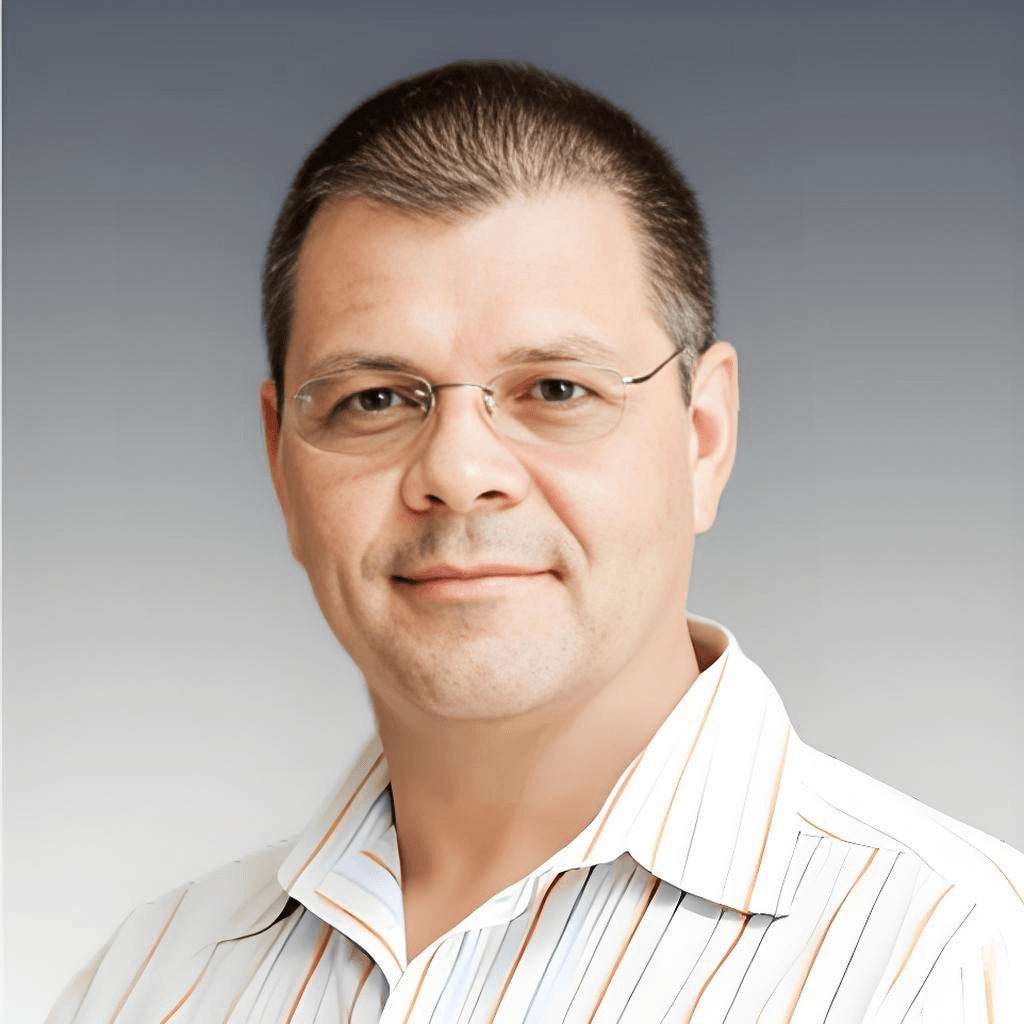
Michael W. Pfaffl
Professor, Division of Animal Physiology and Immunology, School of Life Sciences Weihenstephan, Technical University of Munich, Freising, Germany
Prof. Pfaffl's field of research is the molecular physiology of animals and humans. Using modern biochemical and molecular biology techniques, experimental research focuses on foundations and innovations in the endocrine and paracrine regulation of human health and animal health & welfare. Besides the traditional signal transmission, the extracellular vesicle biology represents a key aspect of his research. The focus is on the development of nucleic acid-based signatures as biomarkers for non-physiological or pathological conditions.
Prof. Pfaffl started 1986 to study 'Agriculture & Animal Science' and 'Biotechnology' at the Technical University of Munich (TUM). In 1997 he obtained his PhD in the field of molecular muscle and growth physiology at the Chair of Physiology. In June 2003 he completed his Venia Legendi (Dr. habil.) in 'Physiology' at the Center of Life and Food Sciences Weihenstephan. Early 2010 he became Professor of 'Molecular Physiology' at the TUM School of Life Sciences in Freising Weihenstephan.
Prof. Pfaffl started 1986 to study 'Agriculture & Animal Science' and 'Biotechnology' at the Technical University of Munich (TUM). In 1997 he obtained his PhD in the field of molecular muscle and growth physiology at the Chair of Physiology. In June 2003 he completed his Venia Legendi (Dr. habil.) in 'Physiology' at the Center of Life and Food Sciences Weihenstephan. Early 2010 he became Professor of 'Molecular Physiology' at the TUM School of Life Sciences in Freising Weihenstephan.
Speaker
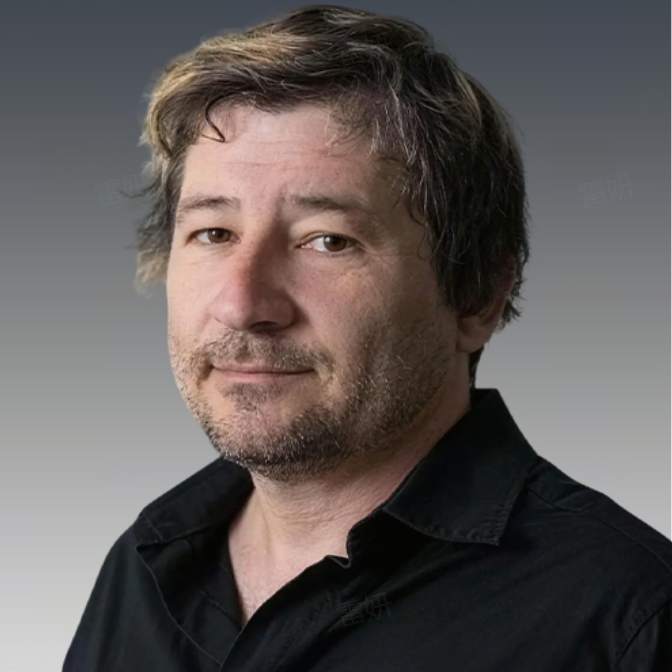
Wolfgang Holnthoner
President of the Austrian Society for Extracellular Vesicles (ASEV)
Ludwig Boltzmann Institute for Traumatology
The Research Centre in Cooperation with AUVA
Donaueschingenstrasse 13, A-1200 Vienna, Austria
Ludwig Boltzmann Institute for Traumatology
The Research Centre in Cooperation with AUVA
Donaueschingenstrasse 13, A-1200 Vienna, Austria
Wolfgang Holnthoner obtained his MSc in Microbiology and Genetics and his PhD in Molecular Biology, both from the University of Vienna, Austria. For more than 25 years he has been working on endothelial cells, both, from blood and lymphatic vessel origin. After his postdoctoral training with Kari Alitalo at the University of Helsinki, Finland, where he has been exploring signal transduction in lymphatic endothelial cells, he started at the Ludwig-Boltzmann-Institute for Traumatology to work on strategies for prevascularisation of tissue engineered constructs. He is interested in the basic functions of endothelial cells in vasculogenesis, angiogenesis and lymphangiogenesis. His group's primary focus is the regeneration/engineering of microvascular structures. To this aim he employs co-culturing primary endothelial cells with supporting cell types to achieve functional oxygen and nutrient support of tissues. He uses the physiological and biocompatible scaffold fibrin to provide the cells with the necessary 3D-environment for microvascularization. In addition, his research involves the integration of lymphatic vessels, since they are the ones which transport the interstitial fluid in tissues back to the blood circulation, and without them human life would be inconceivable. Moreover, he strives to explore the emerging role of extracellular vesicles (EV) in intercellular communication. These efforts contribute to the development of therapies aimed for regeneration of diseased tissues.