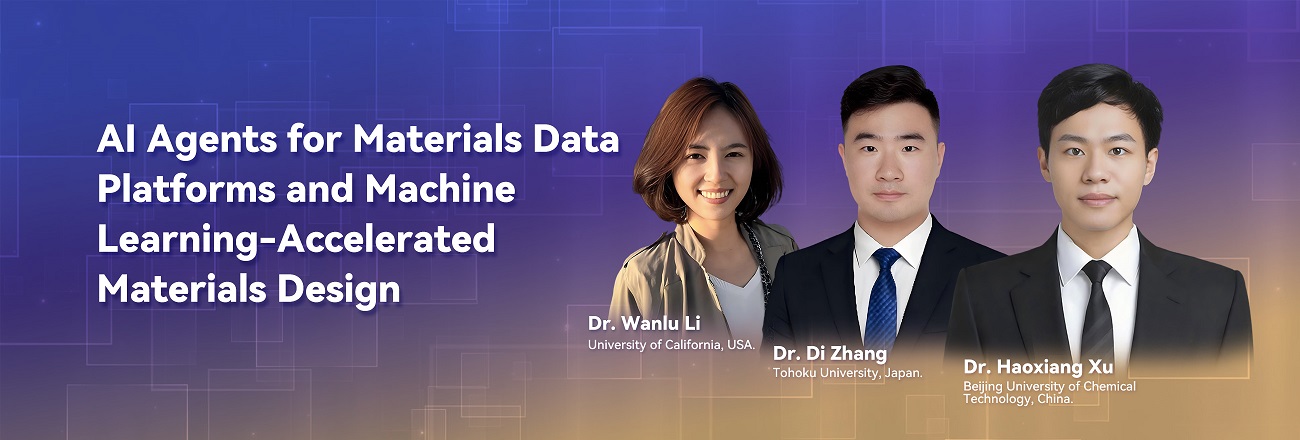
AI Agents for Materials Data Platforms and Machine Learning-Accelerated Materials Design
Contents
Chair
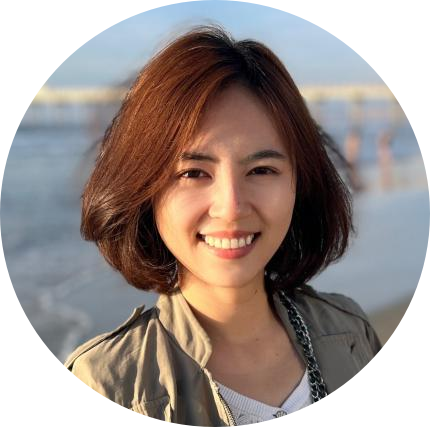
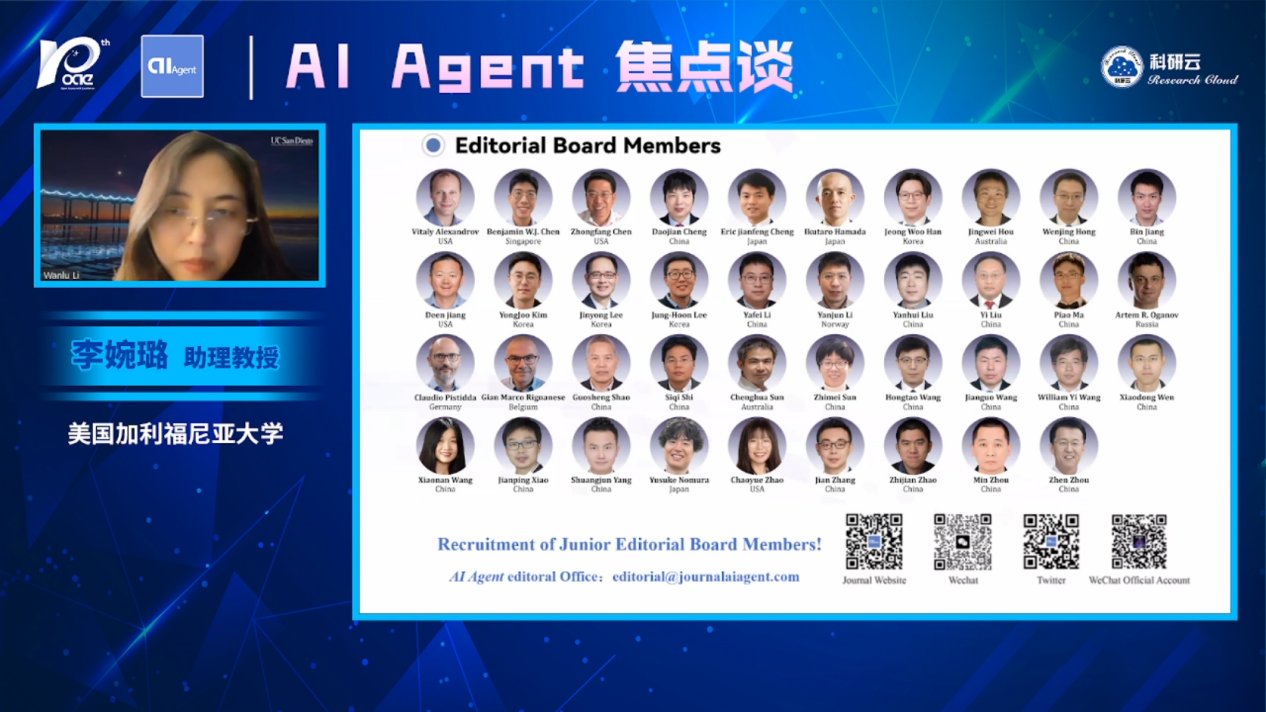
Wanlu Li
Assistant Professor, the University of California San Diego
Dr. Wanlu Li is an Assistant Professor in the Aiiso Yufeng Li Family Department of Chemical and Nano Engineering at the University of California San Diego, with an affiliated appointment in Materials Science and Engineering, since 2023. Her research is interdisciplinary, integrating chemical engineering, chemistry, physics, and materials science, with a focus on theory-driven and data-enabled computational modeling. The Li Group develops predictive computational frameworks for molecular clusters, compositionally complex materials, and catalytic systems. By combining first-principles calculations, physics-guided generative models, and machine-learning-assisted simulations, the group investigates structure–property–stability relationships across length scales, from sub-nanometer clusters to disordered and amorphous materials. These efforts aim to enable rational materials discovery for catalysis, energy conversion, and extreme-environment applications. Dr. Li’s research has been supported and recognized by multiple early-career honors, including the ACS Petroleum Research Fund Doctoral New Investigator Award and the Hellman Fellowship (2025), UC San Diego’s Faculty Career Development Program (2025), the Jacobs School of Engineering Early Career Faculty Development Award (2024), the Faculty Fellowship Israel Award (2023), and the American Chemical Society Physical Chemistry Young Investigator Award (2021).
Guest
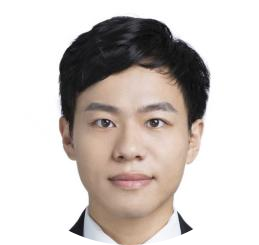
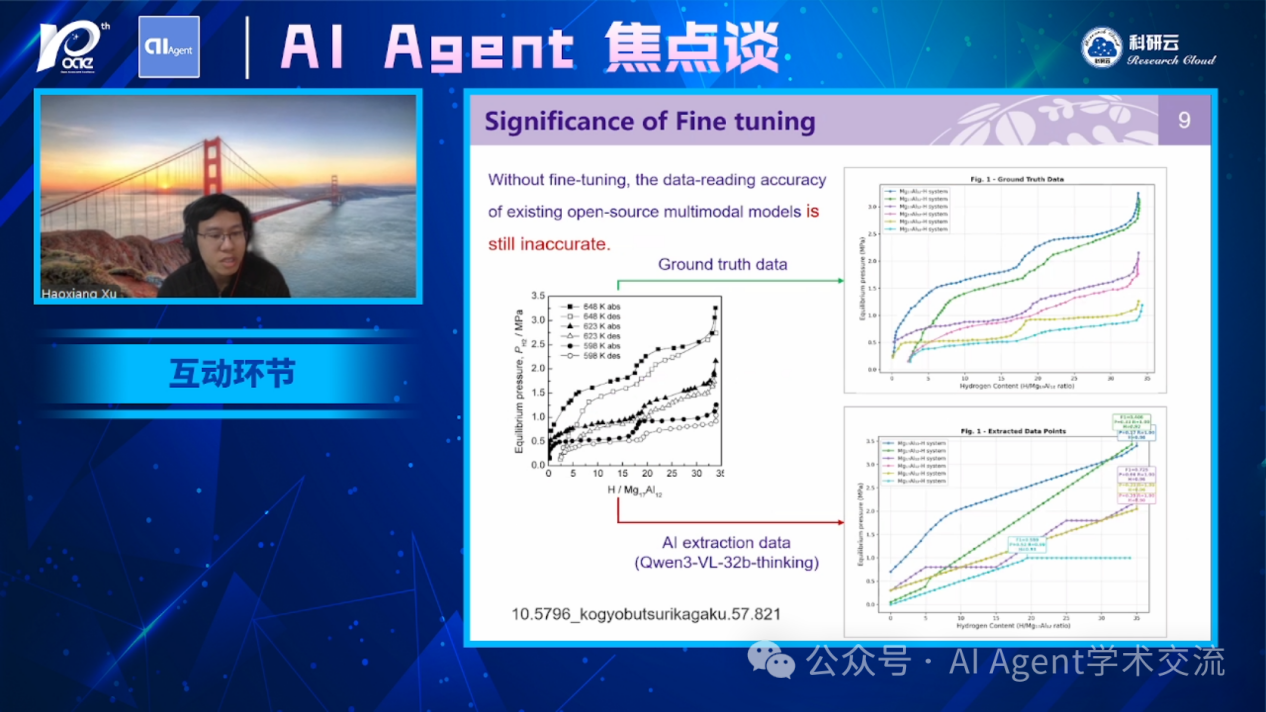
Haoxiang Xu
Professor, Beijing University of Chemical Technology
Haoxiang Xu, a professor at Beijing University of Chemical Technology, is the recipient of the Youth Science Foundation Project (Class B). Focusing on metal nanocatalysts in the field of chemical engineering, he employs multi-scale simulation techniques such as density functional theory and big data processing methods like machine learning to conduct theoretical research on common laws and establish screening models for metal catalysts and materials. As the first or corresponding author, he has published over 80 papers in journals such as Nature Catalysis, Journal of the American Chemical Society, Angewandte Chemie International Edition, ACS Catalysis, and Journal of Catalysis. His H-index is 31, with over 5,000 citations. He has won the First Prize of the Basic Research Achievement Award of the China Chemical Society (second contributor), the CPCIF-Clariant Sustainable Development Young Innovation Award of the China Petroleum and Chemical Industry Federation, and has been listed on Elsevier's list of the world's top 2% scientists (2023-2025). He has also been selected for the China Association for Science and Technology's Young Talent Support Program and serves as a young editorial board member for AI Agent, Journal of Chemical Industry and Engineering (China), Chemical Industry and Engineering Progress, and Journal of the Petroleum Processing and Petrochemical Technology.
Speaker
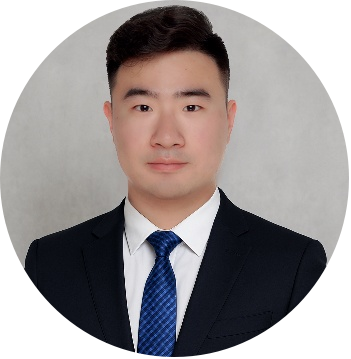
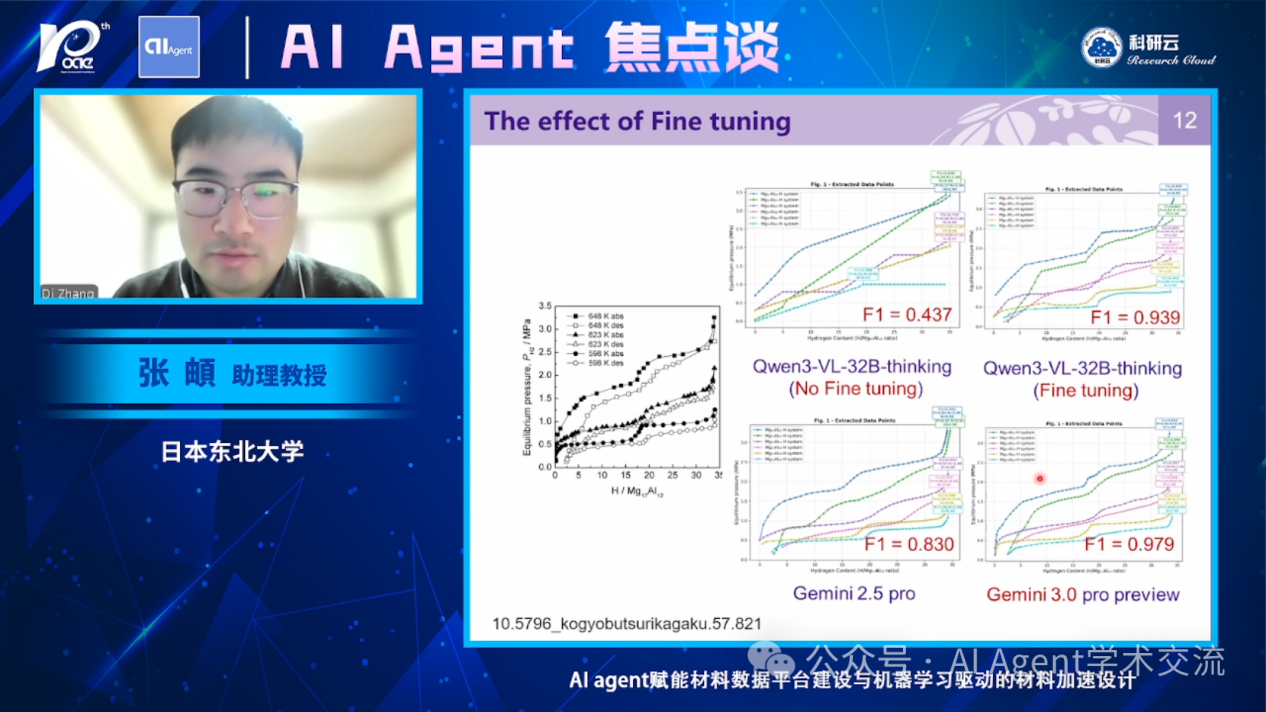
Zhang Di
Assistant Professor, Tohoku University
Dr. Di Zhang is an Assistant Professor at Tohoku University, Japan. He received his Ph.D. from Shanghai Jiao Tong University in 2021 and was selected for the China Postdoctoral Innovative Talent Support Program (2021). He has long been engaged in theoretical research on the design of energy materials for catalysis, batteries, and related areas. His main research interests include the development of computational materials theory and artificial intelligence methods, theoretical modeling and prediction of electrocatalytic processes, and the design and development of advanced hydrogen energy materials. He has served as principal investigator for projects funded by the Postdoctoral Innovative Talent Support Program and the National Natural Science Foundation of China (Young Scientists Fund), among others, and has participated in more than ten projects including key R&D program topics/subtopics. He has published over 60 SCI-indexed papers as first author in journals such as Nature Communications, JACS, Energy & Environmental Science, and Advanced Materials, and serves as a Young Editorial Board Member for journals including AI Agent and AI for Materials.
Moments