


Expert Interview Series - Prof. Yangming Wang
On January 8, 2026, the Editorial Office of Journal of Translational Genetics and Genomics interviewed Prof. Yangming Wang, Full Professor and Director of the Institute of Molecular Medicine at the College of Future Technology, Peking University, Beijing, China.
Prof. Wang has long been dedicated to research in stem cell and RNA biology, making internationally recognized contributions to understanding the roles of miRNAs in stem cell proliferation and pluripotency, as well as to the development of innovative RNA-based and gene-editing technologies. In this interview, he introduced the current research priorities of his group and shared his perspectives on emerging directions and potential breakthroughs in stem cell and RNA biology. Drawing on his extensive publication record in top-tier journals such as Nature Genetics, Nature Cell Biology, and The EMBO Journal, Prof. Wang also offered valuable advice for early-career researchers on conducting high-quality research and improving their chances of publishing in leading journals. In addition, he highlighted how the growing integration of artificial intelligence (AI) with life sciences is opening new avenues for discovery, particularly in RNA function prediction and stem cell model construction, potentially driving paradigm shifts in the field.
Watch the full interview with Prof. Yangming Wang:
Interview Questions:
Q1. You have made significant contributions to stem cell biology and RNA research, including elucidating the roles of miRNAs in stem cell proliferation and pluripotency, as well as developing RNA-based and gene-editing technologies. Could you share the main research directions your group is currently focusing on?
Q2. Stem cell and RNA biology have become major research hotspots in recent years. Based on your experience, what key trends and future directions do you believe will shape this field in the coming years?
Q3. You have published many high-impact studies in top-tier journals such as Nature Genetics, Nature Cell Biology, and The EMBO Journal. Could you share your experience and advice for early-career researchers on preparing and submitting manuscripts to leading journals?
Q4. With the rapid integration of AI and life sciences - particularly recent advances in RNA function prediction and stem cell model construction - what new opportunities do you foresee AI bringing to your research field in the future?
About the Interviewee:
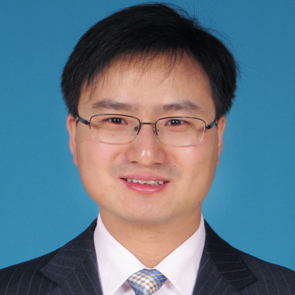
Prof. Yangming Wang, Boya Distinguished Professor at the School of Future Technology and Director of the Institute of Molecular Medicine, Peking University, Beijing, China, and a principal investigator at the Beijing RNA Research Center
Prof. Wang's research focuses on stem cell and RNA biology, integrating cell biology, molecular biology, biochemistry, and bioinformatics. His group employs next-generation sequencing, high-throughput screening, and advanced gene-editing technologies to investigate stem cell-related biological processes, disease models, and drug targets, while also developing widely applicable tools for both basic and translational research.
Representative Research Achievements
- Established a miRNA knockout embryonic stem cell system, elucidating the roles of miRNAs in stem cell proliferation, self-renewal, and differentiation
- Deciphered the molecular mechanisms by which the miR-290/302 family regulates the cell cycle, metabolism, and stem cell self-renewal
- Developed miRNA-activated clustered regularly interspaced short palindromic repeats (CRISPR)-associated protein 9 (Cas9) gene-editing systems and non-coding RNA promoter reporter technologies
- Identified long non-coding RNAs that regulate the fibroblast growth factor/extracellular signal-regulated kinase (FGF/ERK) signaling pathway and clarified their biological functions
- Revealed new molecular mechanisms underlying zygotic genome activation (ZGA) and totipotent stem cell conversion
- Developed novel mitochondrial base-editing tools and organoid platforms
Prof. Wang has published over 40 papers as first or corresponding author in journals including Nature Genetics, Nature Cell Biology, Nature Communications, The EMBO Journal, and Cell Research. He has received funding from the National Natural Science Foundation of China through the Outstanding Youth Program (2017-2019) and the Distinguished Young Scholar Award (2021-2025). He currently serves on the Editorial Boards of Cell Reports and Cell Proliferation and is a committee member of the Stem Cell Branch of the Chinese Society for Cell Biology and the RNA Branch of the Chinese Society for Biochemistry and Molecular Biology.
Editor: Yanxia Zhang
Language Editor: Catherine Yang
Production Editor: Ting Xu
Respectfully Submitted by the Editorial Office of Journal of Translational Genetics and Genomics