
Microwave improves the combustion of biomass pellets
 0
0 Abstract
Microwave pretreatment is an emerging approach for improving the fuel properties of solid biomass. However, its effect on the combustion behavior of densified pellets remains insufficiently characterized. In this study, microwave pretreatment of pine sawdust pellets was systematically investigated by varying pretreatment temperature (70-150 °C), holding time (0-8 min), and microwave power (400-800 W). Combustion performance was evaluated using optical flame imaging, infrared thermography, and gravimetric measurements of moisture content, together with the specific energy consumption. Microwave pretreatment improved combustion intensity relative to both untreated and electrically heated pellets. The optimal conditions were identified as 110 °C, 6 min, and 600 W, under which the flame length and peak combustion temperature reached 4.173 cm and 698.3 °C, respectively. Compared with untreated pellets, these values increased by 167.8% and 29.7%, respectively. Excessive pretreatment temperature, prolonged holding time, and high microwave power reduced flame intensity and stability, likely due to premature volatile loss and surface carbonization. Specific energy consumption confirmed that the optimal conditions provide the best balance between moisture removal and energy input. These results show that controlled microwave pretreatment effectively strengthens pellet combustion and improves energy conversion.
Keywords
INTRODUCTION
Since the discovery of fire, wood has been widely used as a solid biofuel for cooking and heating. Although crude oil and its related petroleum products have gradually replaced wood over time, wood-based fuels remain a prominent energy option in many developed and underdeveloped countries due to their availability, affordability, and renewable nature[1,2]. In 2023, Europe alone consumed approximately 24.5 million metric tons of wood pellets, underscoring the continued importance of biomass in the energy supply[3]. Meanwhile, rising fossil fuel prices, due to geopolitical tensions in fuel-rich regions, have renewed interest in cleaner and more secure renewable energy alternatives. In this regard, agricultural and forestry biomass residues represent a promising option for heat and power generation.
Densified wood pellets are among the most appealing biomass feedstocks because they have a high energy density, a uniform composition, and are easy to handle[4]. However, the combustion efficiency of raw biomass pellets (BP) is often limited by their inherent moisture content, low porosity, and the relatively slow release of combustible volatiles, resulting in delayed ignition, poor flame stability, and reduced overall thermal efficiency[5-7]. To overcome these problems, pretreatment has been employed to modify the physicochemical structure to improve fuel applications.
Conventional thermal pretreatment methods such as torrefaction and mild pyrolysis can improve fuel characteristics by reducing moisture content and increasing carbon concentration, but these processes mainly rely on surface heating mechanisms that can create steep thermal gradients and lead to non-uniform treatment[8,9]. In contrast, microwave heating offers a fundamentally different approach[10]. By interacting directly with polar molecules within biomass, microwave energy generates volumetric internal heating, enabling faster and more uniform moisture removal[11,12]. Furthermore, microwave irradiation has been reported to induce microstructural changes, including the enlargement of pores[13,14] and the creation of fissures[15,16], which can enhance the subsequent release of volatile matter and improve oxygen accessibility during combustion[17-19].
The effectiveness of microwave heating for biomass drying and torrefaction has been well documented. For example, in the drying of food waste (cooked rice and vegetable leaves), microwave treatment outperformed thermal drying, improving combustion efficiency by 34.47% for leaves and 8.12% for rice[20]. In another study involving wheat straw and softwood pellets, microwave pretreatment increased the calorific value of straw pellets by 12%-37% and wood pellets by 14%-34%, while also enhancing hydrophobicity and moisture resistance[21]. During microwave drying of orange pomace, the Midilli model provided the best fit to the drying kinetics, and a drying mass efficiency of 96.40% was achieved at 100% microwave power, with higher microwave power enhancing the drying process[22]. Similarly, microwave drying of tobacco stems achieved a drying rate of 1.093 gm2·s, approximately five times higher than that of conventional drying[23]. Amer et al.[24] reported that microwave treatment promoted surface rupture and improved crystallinity in biomass, thereby enhancing volatile release; notably, the target pretreatment temperature was reached about 60 times faster under microwave irradiation than under conventional oven drying. Valdmanis et al.[25] found that microwave heating can promote synergistic thermal and chemical interactions in biomass, leading to increased volatile yield, improved combustion efficiency, and greater heat energy production. Likewise, Li et al.[26] compared conventional and microwave heating for poplar sawdust and reported that microwave heating at 100 °C effectively removed oxygenated species, thereby increasing carbon content.
Beyond performance enhancement at the laboratory scale, microwave pretreatment has also shown preliminary feasibility for scale-up and potential industrial application. Wang et al.[27] conducted an industrial scale techno-economic analysis and life cycle assessment of a microwave-based biomass refining process, with a simulated annual processing capacity of 8,000 t/y. Li et al.[28] developed a microwave assisted polygeneration system integrating pretreatment, pyrolysis, upgrading, and power generation units, and performed system simulation using a pilot scale numerical model. Agu et al.[29] further carried out a techno-economic assessment of a mobile small scale microwave torrefaction pelletization system, demonstrating the potential of this route for distributed biomass utilization scenarios. These studies indicate that microwave processing technology has begun to progress from laboratory-scale performance validation toward scale-up assessment and system-level integration analysis. For the biomass pellet fuel system investigated in the present study, microwave pretreatment could serve as a rapid pre-combustion conditioning strategy to improve the ignition and combustion performance of pellet fuels.
In recent years, research on microwave assisted biomass processing has developed rapidly, with the main focus on drying, torrefaction, and pyrolysis[30]. Existing studies have generally demonstrated that microwave heating can accelerate moisture migration, promote structural reconstruction, improve thermochemical conversion efficiency, and show potential for process intensification and system integration[31]. However, most of these studies have focused on the drying, torrefaction, and pyrolysis of loose biomass, while insufficient attention has been paid to the subsequent combustion behavior of intact and dense pellets, which represent a practical fuel form[32]. Meanwhile, although current studies on pellet combustion have begun to employ visible-light imaging, infrared thermography, and other diagnostic techniques to analyze the combustion process[33], the investigated variables have mainly been limited to moisture content, co-combustion conditions, molding pressure, and particle size[34]. Systematic parametric and quantitative studies remain lacking on how microwave pretreatment, as an upstream conditioning approach, affects flame length, peak flame temperature, and the distribution of high-temperature zones during pellet combustion.
Therefore, this study examines the combustion performance of pine sawdust pellets after microwave pretreatment. Pretreatment was conducted in a microwave oven across different temperatures (70-150 °C), holding times (0-8 min), and microwave powers (400-800 W). The combustion behavior of the treated pellets was then evaluated using optical imaging and infrared thermography to analyze flame height, flame intensity, and temperature distribution. Pretreatment efficiency was further assessed by measuring moisture removal and specific energy consumption.
MATERIALS AND METHODS
Materials
The BP used as feedstock were prepared from compressed pine sawdust (Qingdao Hongyang Automation Equipment Co., Ltd., China), with a diameter of 0.8 cm and lengths ranging from 1 to 7 cm. Figure 1 shows a representative photograph of the pellets. The moisture content was determined by drying the pellets at 105 °C for 24 h in a drying oven. The drying oven had a power rating of 1.8 kW, with a continuously adjustable temperature range from room temperature to 250 °C (Beijing Yongguangming Medical Instrument Co., Ltd., Beijing, China). The mass loss was used to calculate a moisture content of 6.60 wt.%.
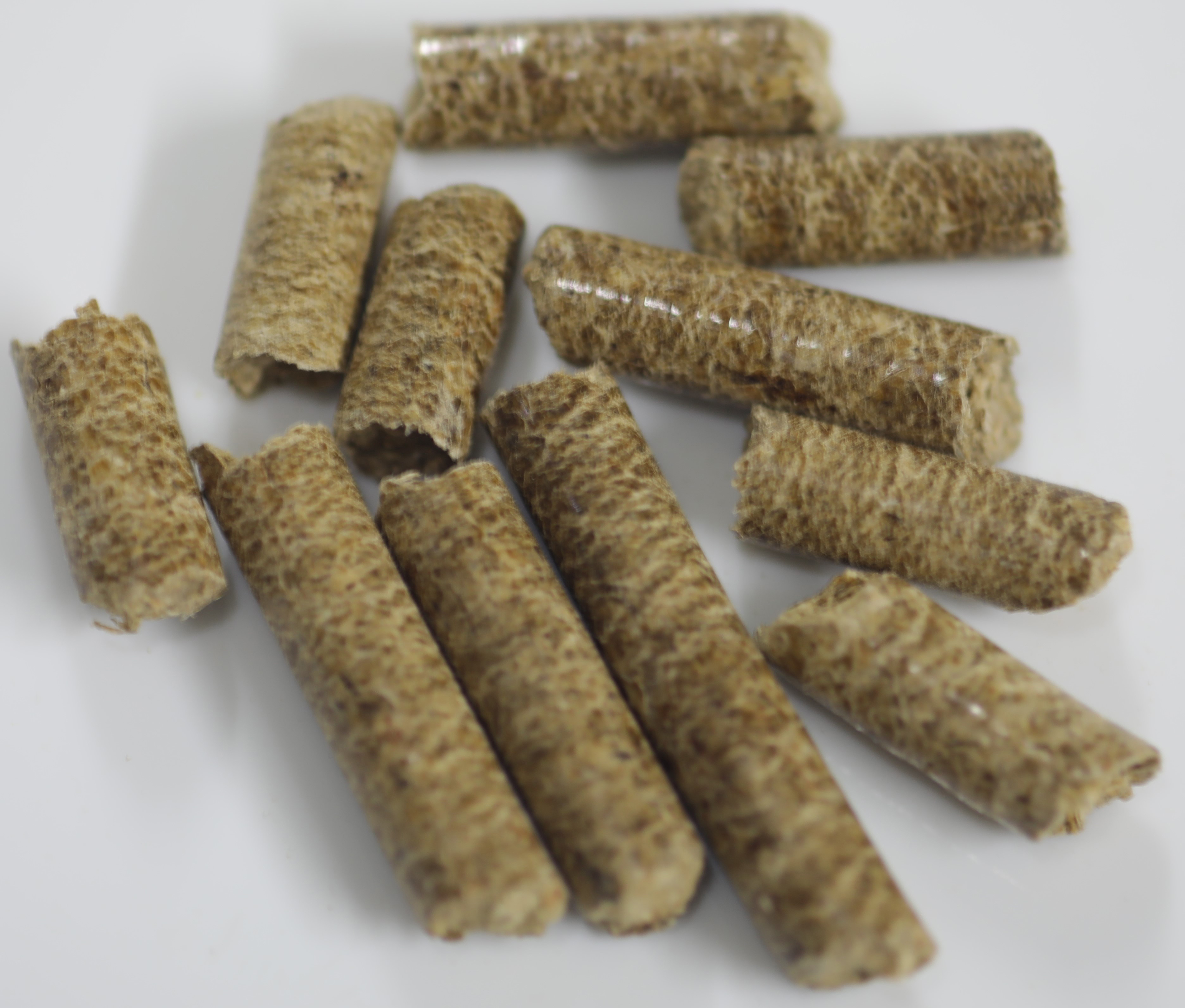
Figure 1. BP used in this study. Photograph taken by the authors. BP: Biomass pellets.
Experimental setup
The experimental setup used in this study, shown in Figure 2, mainly consisted of a microwave oven, an infrared thermal imager, a camera, a thermocouple, a digital thermometer, a graduated ruler, a power meter, a quartz beaker, BP, and several auxiliary components. In the pretreatment process, a microwave oven (Shanghai Longyu Microwave Equipment Co., Ltd., China) with an adjustable microwave power range of 300-1,000 W was employed as the heating source. The pellet temperature was monitored using a K-type thermocouple connected to a digital thermometer. The electrical energy consumption of the microwave oven during pretreatment was measured using a power meter. During the pellet combustion experiments, optical images and infrared thermal images were recorded using a camera (EOS 5D Mark IV, Canon, Japan) and an infrared thermal imager (TN460U, Raytron Technology Co., Ltd., China), respectively. Flame length was determined from the optical images using a graduated ruler as the reference scale.
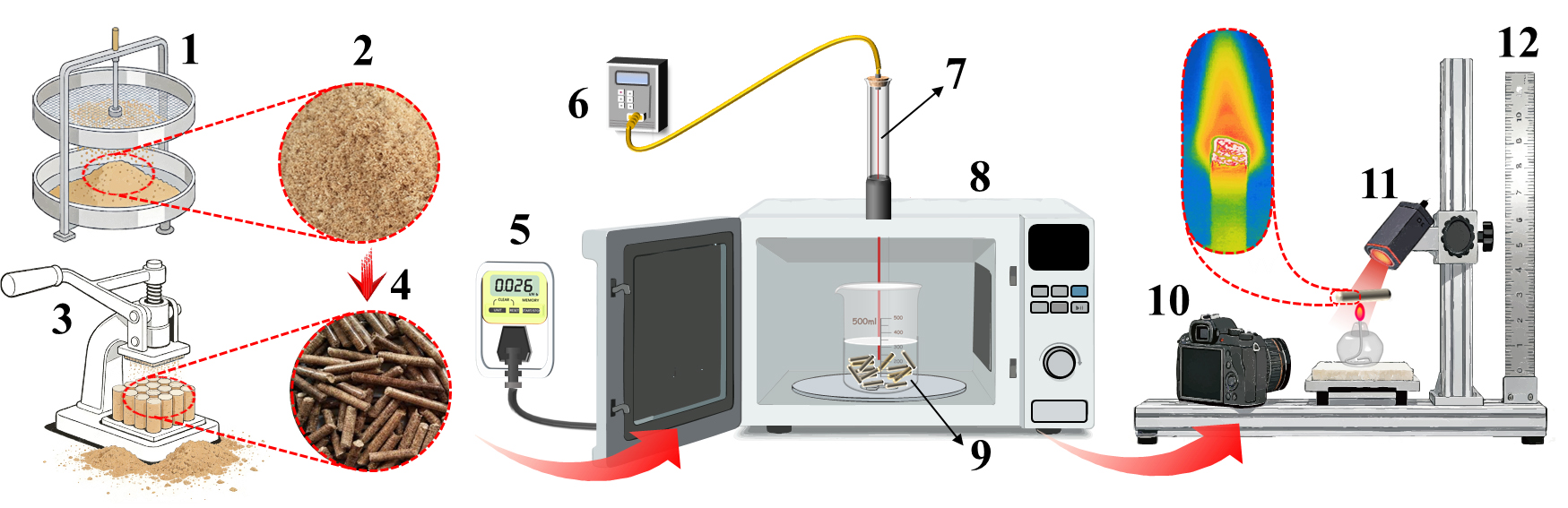
Figure 2. Schematic diagram of the experimental setup: (1) sieve, (2) biomass powder, (3) pelletizer, (4) BP, (5) power meter, (6) digital thermometer, (7) thermocouple, (8) microwave oven, (9) quartz beaker, (10) camera, (11) infrared thermal imager, and (12) graduated ruler. BP: Biomass pellets.
Experimental procedures
The effects of temperature, holding time, and microwave power on flame behavior during biomass pellet combustion were systematically investigated. The specific experimental conditions adopted in this study are detailed in Table 1. The experimental system was divided into two consecutive stages: microwave pretreatment of the pellets and pellet combustion.
Conditions adopted in the experimental system design
| No. | Code | Holding time (min) | Temperature (°C) | Microwave power (W) |
| 1 | BP-0 | 0 | 110 | 600 |
| 2 | BP-2 | 2 | 110 | 600 |
| 3 | BP-4 | 4 | 110 | 600 |
| 4 | BP-6 | 6 | 110 | 600 |
| 5 | BP-8 | 8 | 110 | 600 |
| 6 | BP-70 | 6 | 70 | 600 |
| 7 | BP-90 | 6 | 90 | 600 |
| 8 | BP-130 | 6 | 130 | 600 |
| 9 | BP-150 | 6 | 150 | 600 |
| 10 | BP-400 | 6 | 110 | 400 |
| 11 | BP-500 | 6 | 110 | 500 |
| 12 | BP-700 | 6 | 110 | 700 |
| 13 | BP-800 | 6 | 110 | 800 |
For the microwave pretreatment, 70 g of BP were weighed and placed in a quartz beaker. A thermocouple was inserted and positioned at the center of the beaker, 20-30 mm above the bottom, to ensure accurate temperature measurement. After closing the microwave oven door, the gaps around the door were sealed with aluminum foil tape to reduce microwave leakage. The microwave power was then set to the designated level according to Table 1, and microwave heating was initiated. When the temperature of the pellets reached the target value, the pellets were maintained under isothermal conditions for the predetermined holding time. After pretreatment, the pellets were removed from the beaker and prepared for the subsequent combustion test. As for the electrically heated BP, specifically, the pellets were heated in a drying oven at 105 °C for 24 h to ensure complete moisture removal.
For the combustion stage, the pretreated BP was ignited using an alcohol lamp and placed on a combustion stage. The combustion process was recorded using a camera and an infrared thermal imager. A graduated ruler was placed beside the sample stage as a reference scale, and the flame length was determined by post-processing the captured optical images using ImageJ software.
To ensure the reliability of the experimental results, the combustion experiment for each sample group was independently repeated three times. All data reported in the manuscript, including flame length, peak temperature, moisture content, and specific energy consumption, were subjected to statistical analysis based on the replicate experiments.
Data evaluation
The energy efficiency of the pretreatment process was evaluated using the specific energy consumption, which is an important indicator of process performance. It is defined as the ratio of the total energy consumed to the mass of moisture removed during drying, as expressed in
where Es is specific energy consumption, kJ/g; es denotes the actual electricity consumption measured by the power meter, kWh; m0 is the initial weight of the sample, g; me is the final weight of the sample, g.
Unless otherwise specified, all experimental results in this study are presented as the mean ± standard deviation (SD) of three independent replicate experiments. The error bars in the figures represent the standard deviation of the replicate experiments.
RESULTS AND DISCUSSION
Effect of temperature
The effect of pretreatment temperature on the combustion behavior of microwave-treated BP was investigated from 70 °C to 150 °C at a constant microwave power of 600 W and holding time of 6 min. Figure 3 presents flame images during combustion of BP pretreated at different temperatures. Low pretreatment temperatures (70-90 °C) produced short, weak flames, whereas the flame became noticeably taller and more intense at 110 °C. A further increase in temperature led to a gradual decrease in flame intensity.
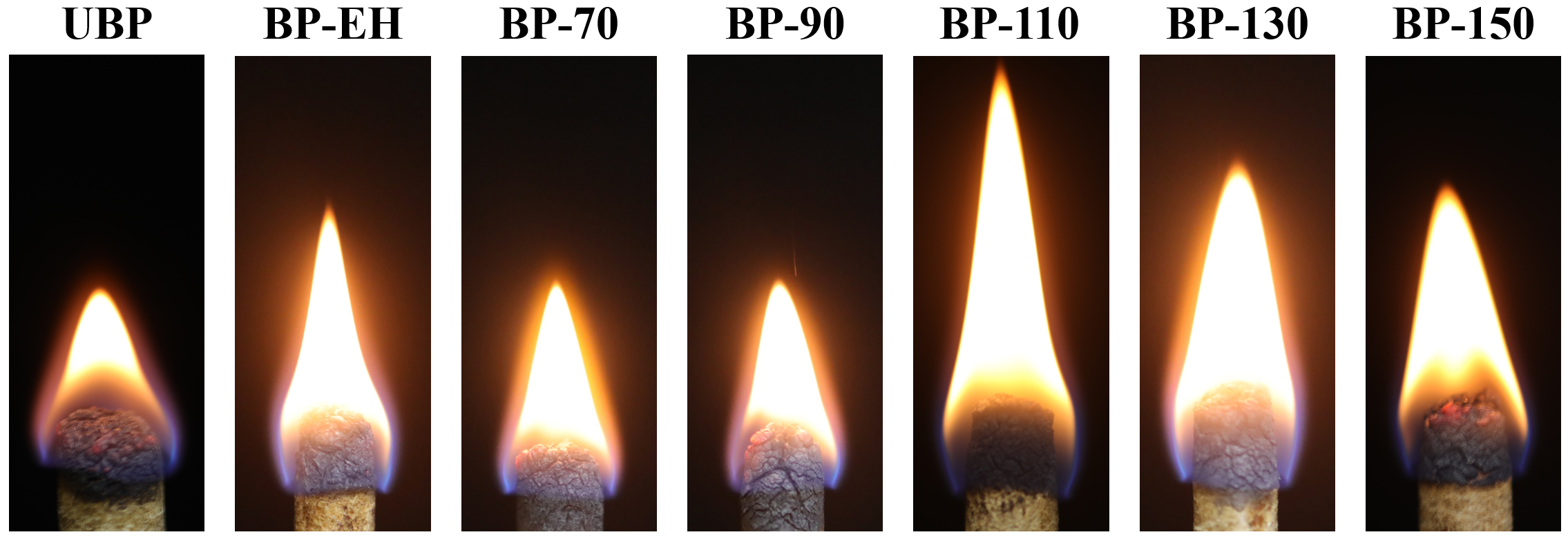
Figure 3. Flame images during combustion of BP pretreated at different temperatures. Photograph taken by the authors. UBP: Untreated biomass pellets; BP-EH: electrically heated biomass pellets; BP: biomass pellets.
Flame length results in Table 2 confirm this trend. The flame length increased from 1.980 cm (BP-70) to a maximum of 4.173 cm at 110 °C (BP-110), a 168% increase relative to untreated pellets (UBP, 1.558 cm) and a 46% increase relative to electrically heated pellets (BP-EH, 2.851 cm). The pretreatment temperature of 110 °C provided the most favorable balance between volatile release and pellet structural stability, promoting sustained volatile combustion[5,24,35]. At higher temperatures (130-150 °C), the flame length decreased to 2.824 cm at 150 °C, likely due to excessive volatile loss during pretreatment and partial surface carbonization, which reduced the amount of combustible gases released during combustion[7,36,37].
Flame lengths and peak temperatures of BP at different temperatures
| Code | Length (cm) | Peak temperature (°C) |
| UBP | 1.558 ± 0.058 | 538.2 ± 17.5 |
| BP-EH | 2.851 ± 0.134 | 621.2 ± 3.6 |
| BP-70 | 1.980 ± 0.176 | 553.5 ± 8.3 |
| BP-90 | 2.218 ± 0.207 | 592.8 ± 4.2 |
| BP-110 | 4.173 ± 0.219 | 698.3 ± 13.6 |
| BP-130 | 3.350 ± 0.138 | 624.3 ± 10.9 |
| BP-150 | 2.824 ± 0.122 | 669.7 ± 13.0 |
Figure 4 presents thermographic images of flames during combustion of BP pretreated at different temperatures. These observations support the flame-length results. BP-110 showed the most uniformly distributed high-temperature region and the highest peak flame temperature (698.3 °C), followed by BP-150 (669.7 °C) and BP-130 (624.3 °C). All microwave-pretreated samples showed higher peak temperatures than UBP (538.2 °C) and BP-EH (621.2 °C), confirming that microwave pretreatment enhances combustion intensity. The higher peak temperature at 110 °C likely indicates more effective volatile combustion and char oxidation, leading to greater heat release[38,39]. These findings are in line with previous work by Barmina et al.[40], which reported that low-temperature microwave pretreatment can increase carbon content and calorific value, thereby promoting more complete and energetic combustion.
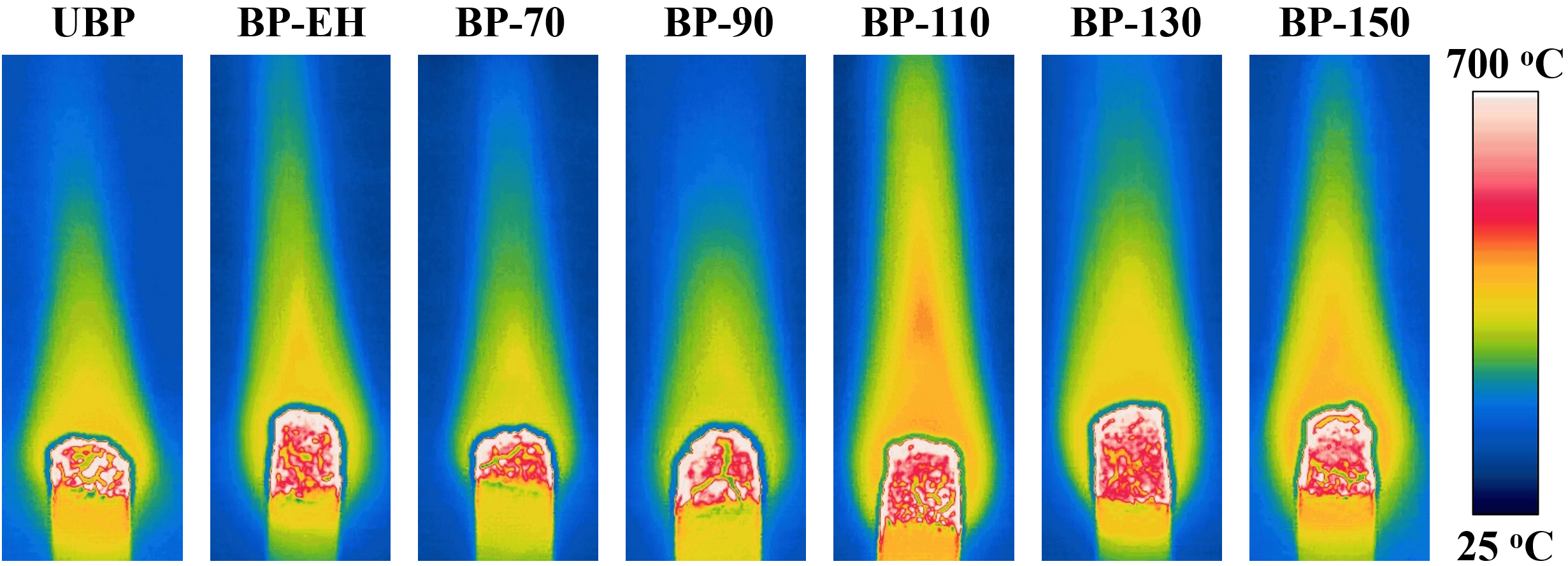
Figure 4. Thermographic images of flames during combustion of BP pretreated at different temperatures. Photograph taken by the authors. UBP: Untreated biomass pellets; BP-EH: electrically heated biomass pellets; BP: biomass pellets.
Figure 5 presents the moisture content and specific energy consumption as functions of pretreatment temperature. Moisture content decreased progressively with increasing temperature due to improved microwave drying efficiency. Specific energy consumption increased nonlinearly with temperature. Although higher temperatures required more pretreatment energy, BP-110 achieved the most favorable balance between energy input and combustion performance. Therefore, 110 °C is considered the optimal pretreatment temperature for maximizing combustion efficiency while avoiding unnecessary energy use and fuel degradation.
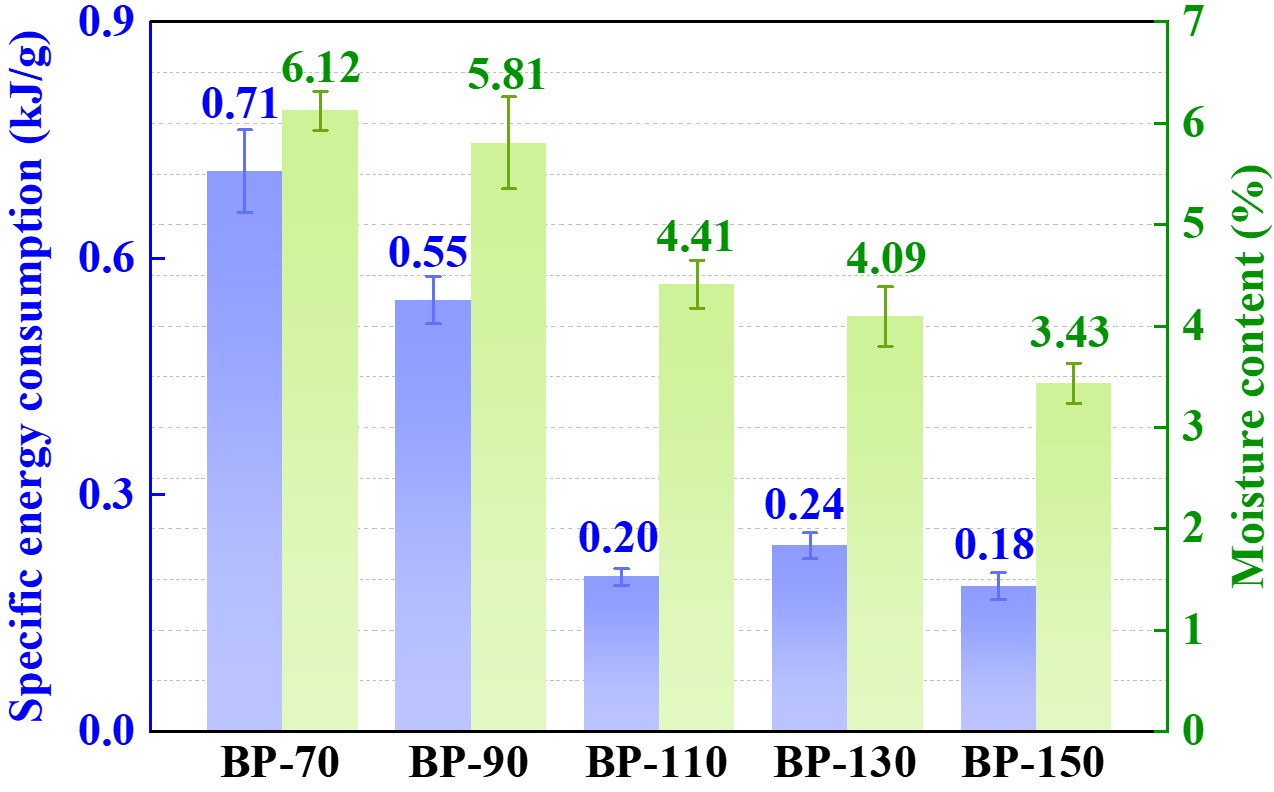
Figure 5. Specific energy consumption and moisture content of BP at different pretreatment temperatures. Error bars represent SD of three independent replicates. BP: Biomass pellets; SD: standard deviation.
Figure 6 presents the scanning electron microscope (SEM) images of BP at different temperatures. Temperature had a pronounced effect on the surface microstructure of the particles. The surface of UBP was compact and smooth, with relatively intact fibrous texture and regular grooves still visible, indicating good structural continuity, a tightly bonded internal structure, and limited open porosity. Compared with UBP, BP-EH exhibited a slightly smoother and more shrunken surface, with local lamellar boundaries and a few fine cracks, while the overall surface remained relatively continuous and dense. This suggests that conventional heating mainly induced gradual shrinkage due to slow moisture removal, with only limited structural disturbance. After microwave pretreatment, as the temperature increased from 70 to 90 °C, the pellet surface gradually changed from smooth to rough, the fibrous contours became increasingly blurred, and small cracks and slight local exfoliation appeared, indicating that moisture migration under heating had begun to disturb the surface structure, although the development of pores and cracks was still limited. At 110 °C, the surface morphology changed most markedly, with the formation of a more developed crack network, lamellar delamination, and local pores, accompanied by a pronounced increase in surface roughness and an effective disruption of the dense structure. Meanwhile, no extensive collapse or severe fragmentation was observed, suggesting that, at this temperature, a favorable balance was achieved between the release of internal steam pressure and the reconstruction of the matrix structure, which was conducive to the formation of open mass transfer pathways for oxygen diffusion and volatile release during subsequent combustion. When the temperature was further increased to 130 and 150 °C, more pronounced fragmentation, peeling, and agglomerated debris appeared on the pellet surface, while crack width and structural discontinuity increased further. In some regions, lamellar collapse and excessive exfoliation were even observed, indicating aggravated microstructural damage at excessively high temperatures. Overall, microwave pretreatment effectively transformed the pellet surface from a compact and smooth state into a rougher, more cracked, and more porous structure through the selective heating of internal moisture. Among the tested conditions, the structural reconstruction at 110 °C appeared to be the most favorable for subsequent heat and mass transfer during combustion, whereas excessive damage at 130-150 °C may have been accompanied by premature volatile loss and a tendency toward local carbonization, thereby weakening the combustion enhancement effect.
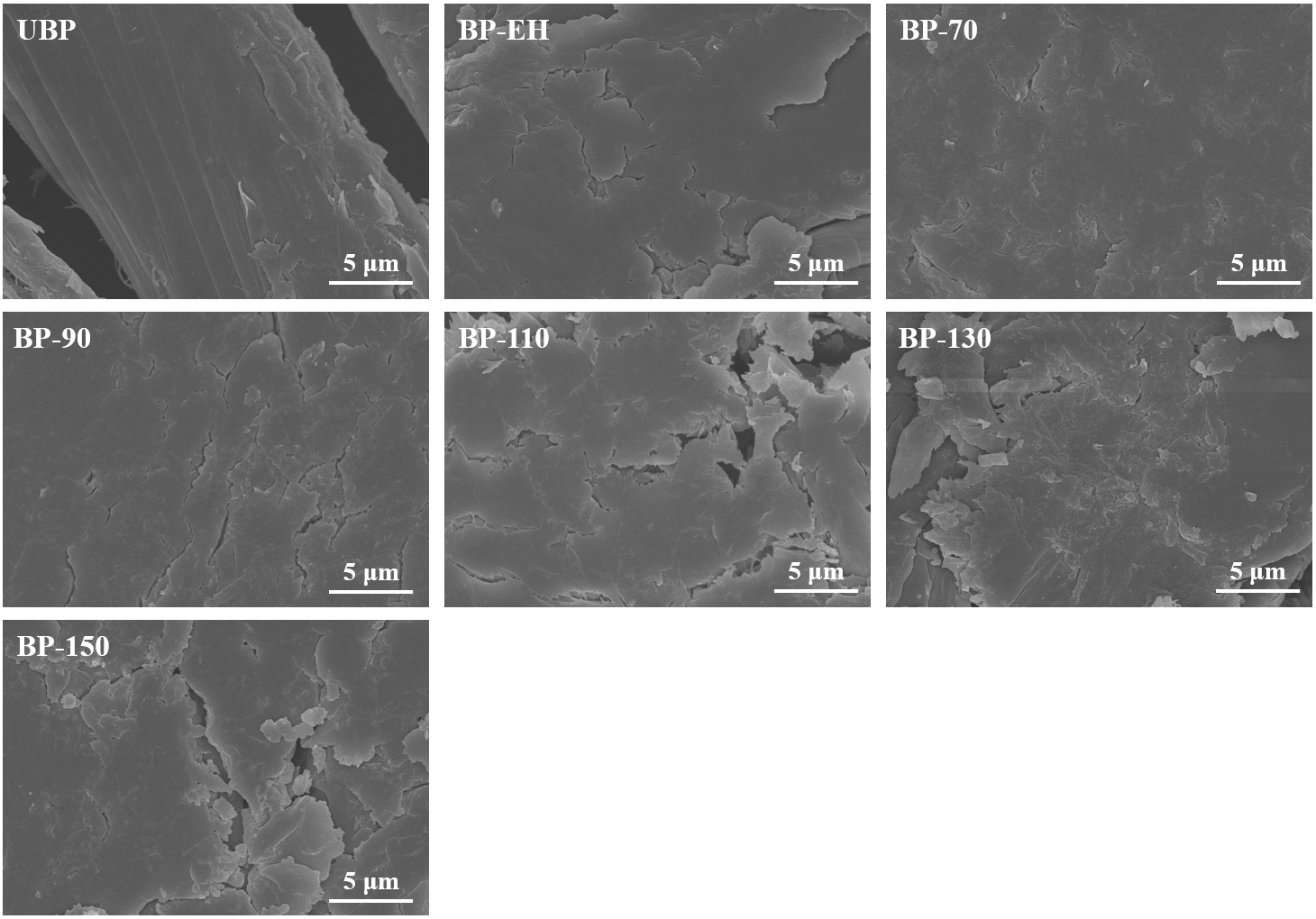
Figure 6. SEM images of pretreated BP at different temperatures. UBP: Untreated biomass pellets; BP-EH: electrically heated biomass pellets; BP: biomass pellets; SEM: scanning electron microscope.
Effect of holding time
The effect of holding time on the combustion behavior of microwave-pretreated BP was investigated at a fixed temperature of 110 °C and microwave power of 600 W, with holding times of 0-8 min (BP-0 to BP-8). Figure 7 presents flame images during combustion of BP with different holding times. Short holding times produced relatively short and weak flames, indicating incomplete moisture removal. With increasing holding time, the flame became taller and more intense, reaching its maximum at 6 min (BP-6). At 8 min (BP-8), flame length and stability decreased, suggesting that excessive treatment promoted volatile loss or surface charring, which reduced combustion reactivity[23].
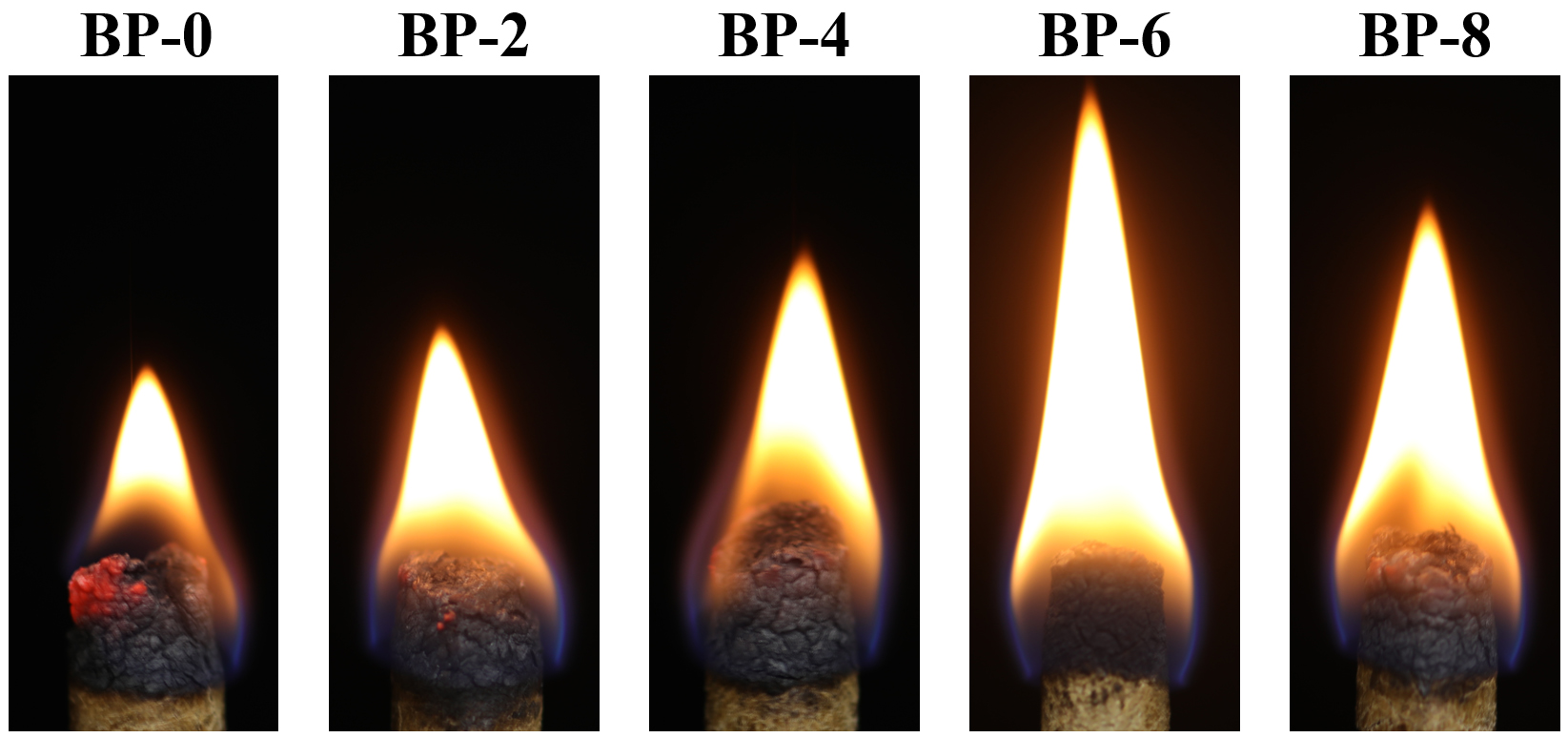
Figure 7. Flame images during combustion of BP with different holding times. Photograph taken by the authors. BP: Biomass pellets.
Figure 8 shows thermographic images of flames during combustion of BP with different holding times, which support these observations BP-6 showed the most extensive and uniform high-temperature zone along the flame axis, whereas BP-0 and BP-2 showed limited hot regions near the pellet surface. BP-8 showed a more fragmented temperature distribution, consistent with less stable combustion. Quantitative results in Table 3 confirm this trend. Flame length increased from 1.925 cm for BP-0 to 2.579 cm for BP-4, reaching a maximum of 4.173 cm for BP-6, before decreasing to 3.005 cm for BP-8. Peak flame temperature followed a similar pattern, increasing from 603.8 °C (BP-0) to 637.7 °C (BP-4), reaching a maximum at 698.3 °C (BP-6), and then slightly decreasing to 687.8 °C (BP-8). Compared with the untreated pellet (no holding time), BP-6 showed increases of 117% in flame length and 16% in peak temperature.
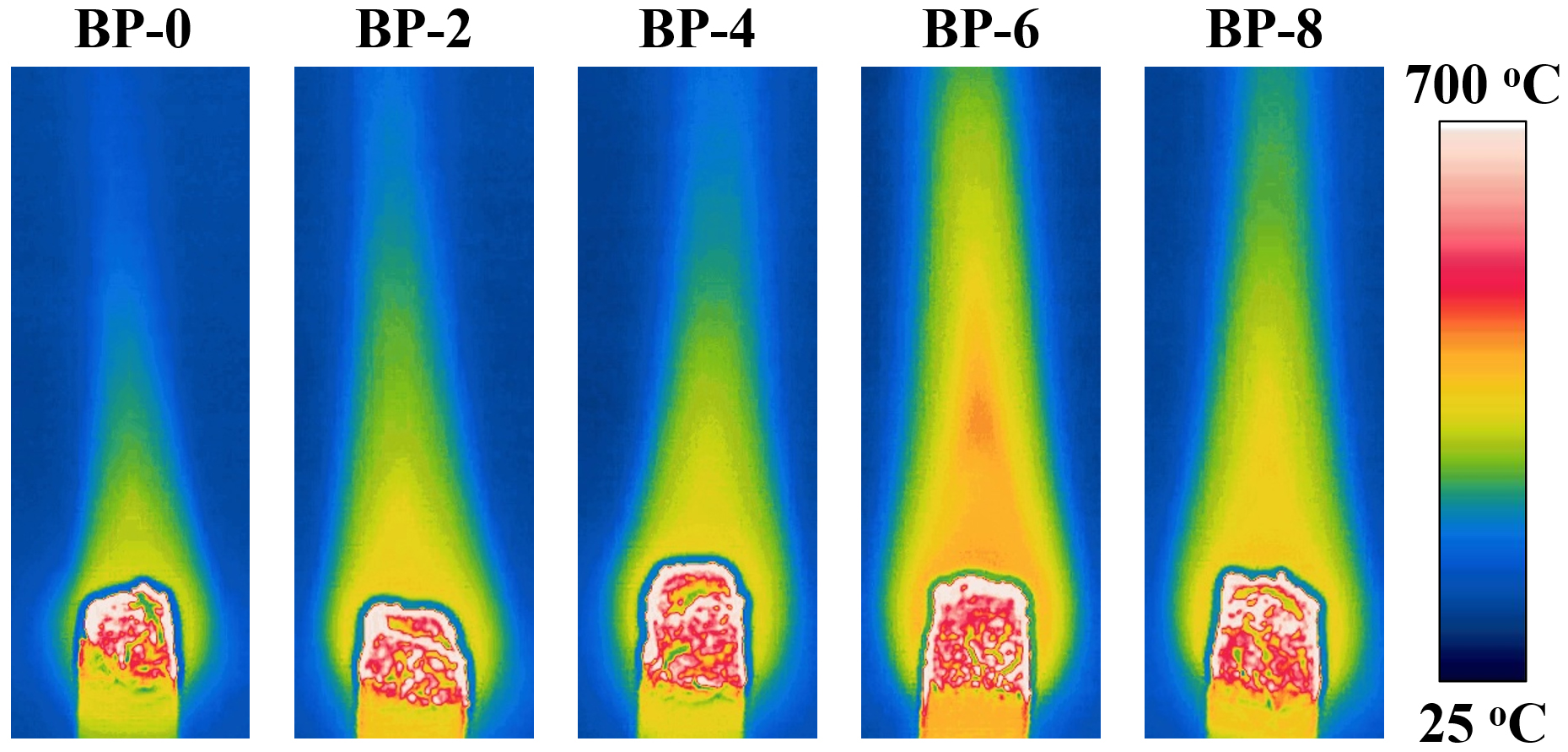
Figure 8. Thermographic images of flames during combustion of BP with different holding times. Photograph taken by the authors. BP: Biomass pellets.
Flame lengths and peak temperatures of BP at different holding times
| Code | Length (cm) | Peak temperature (°C) |
| BP-0 | 1.925 ± 0.013 | 603.8 ± 5.7 |
| BP-2 | 2.017 ± 0.150 | 628.3 ± 9.6 |
| BP-4 | 2.579 ± 0.099 | 637.7 ± 11.5 |
| BP-6 | 4.173 ± 0.219 | 698.3 ± 13.6 |
| BP-8 | 3.005 ± 0.103 | 687.8 ± 15.6 |
Figure 9 shows the variation in moisture content and specific energy consumption with holding time. The moisture content decreased progressively with holding time due to enhanced microwave drying[21], while specific energy consumption increased because of the longer treatment duration[27]. Although 8 min produced the lowest moisture content, 6 min offered the best balance between moisture removal, structural activation, and energy input. Beyond this point, additional microwave exposure did not improve combustion performance and may have promoted the formation of less reactive carbonaceous structures[25,41]. Therefore, 6 min was identified as the optimum holding time for maximizing flame development and heat release.
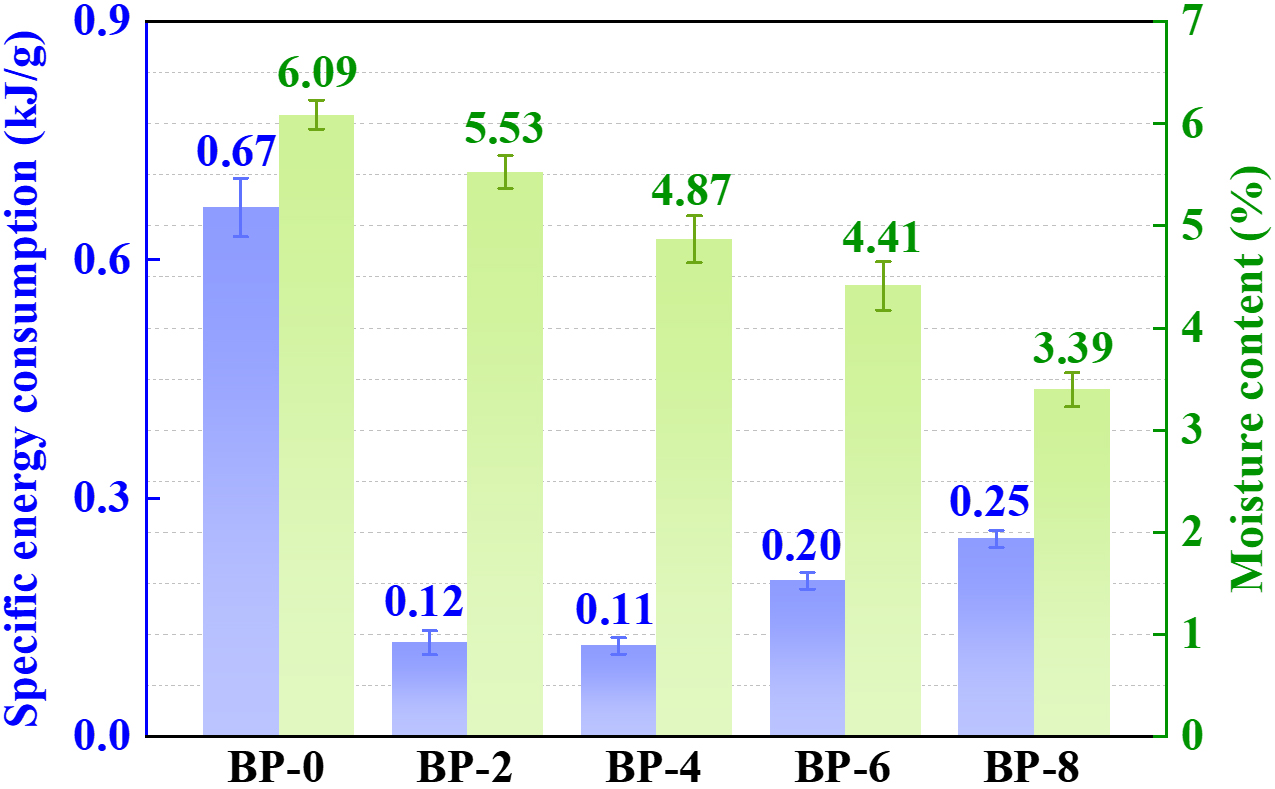
Figure 9. Specific energy consumption and moisture content of BP at different holding times. Error bars represent SD of three independent replicates. BP: Biomass pellets; SD: standard deviation.
Figure 10 shows the SEM images of BP at different holding times. The holding time had a clear effect on the evolution of the pellet surface microstructure. The surface of BP-0 remained relatively smooth and compact, with only a few fine cracks, indicating that without any holding time after reaching the target temperature, moisture migration within the pellet caused only limited structural disturbance. As the holding time increased to 2-4 min, the surface gradually became rougher, and both the number and size of cracks increased, suggesting that the dense structure began to loosen. At 6 min, cracks, lamellar delamination, and local pores were most evident, and the surface roughness increased markedly, while the overall structure had not yet undergone severe collapse. This indicates that the structural reconstruction induced by internal steam release was most fully developed at this stage, which was favorable for the formation of mass transfer pathways for oxygen diffusion and volatile release. When the holding time was further extended to 8 min, the surface exhibited more obvious fragmentation and lamellar accumulation, implying that an excessively long holding time led to over-damage of the structure. Overall, an appropriate extension of holding time promoted the transformation of the pellet surface from a compact and smooth state to a rougher and more cracked structure, among which the microstructure obtained at 6 min appeared to be the most favorable for heat and mass transfer during subsequent combustion.
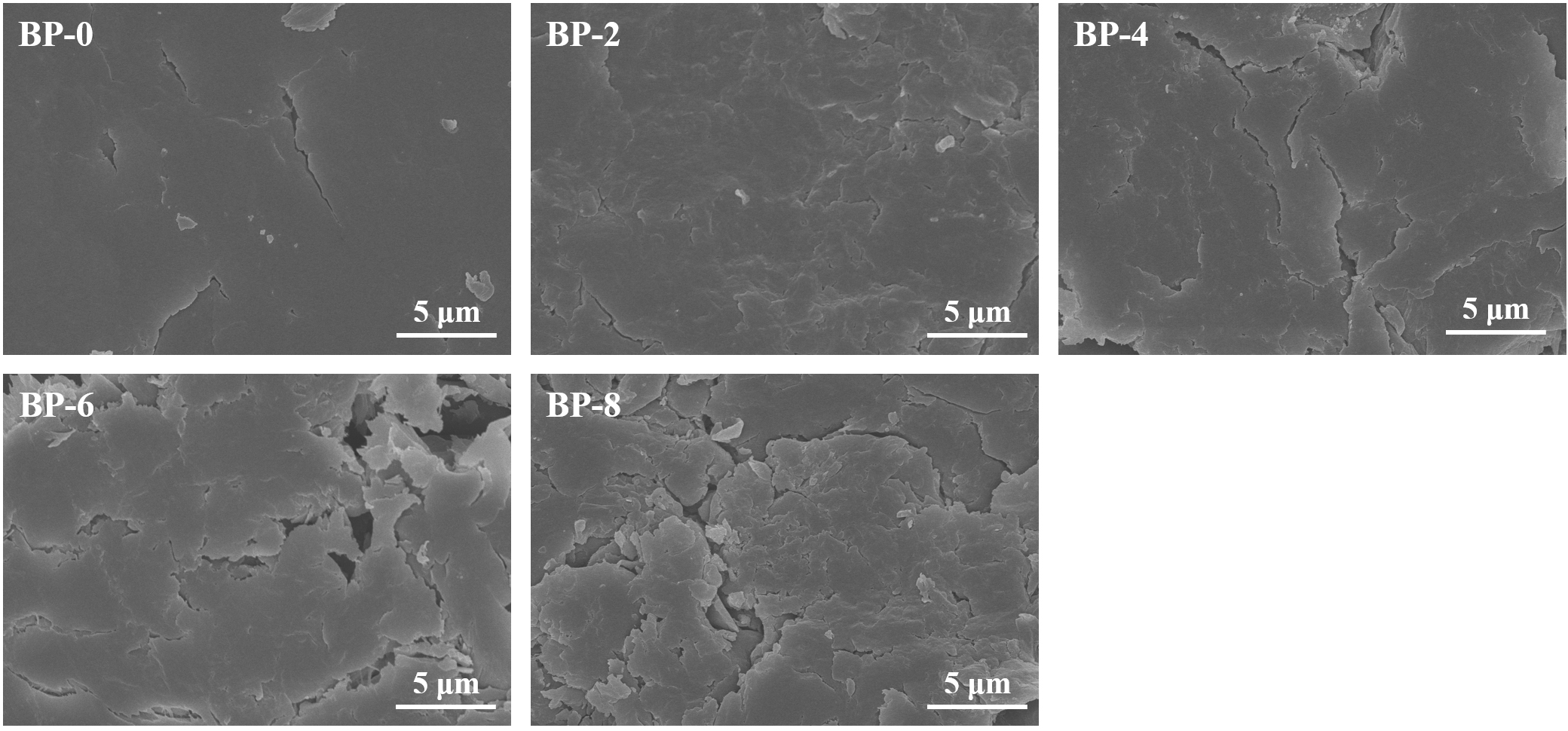
Figure 10. SEM images of pretreated BP at different holding times. BP: Biomass pellets; SEM: scanning electron microscope.
Effect of microwave power
The effect of microwave power on the combustion behavior of BP was investigated at a constant temperature of 110 °C and a holding time of 6 min, with microwave power varied from 400 to 800 W (BP-400 to BP-800). Figure 11 presents flame images during combustion of BP pretreated at different microwave powers. BP-400 produced a short, diffuse flame, indicating insufficient pretreatment. Flame development improved at 500 W, while BP-600 showed the tallest, brightest, and most stable flame, suggesting optimal volatile release and combustion. At 700-800 W, flame length and stability decreased, likely due to over-treatment, which may have caused premature volatile loss or surface carbonization[19,20]. This is consistent with reported studies that microwave pretreatment enhances fuel structure (e.g., porosity and specific surface area) and promotes heat or mass transfer, but excessive microwave power can accelerate carbonization and reduce the availability of combustible volatiles[12,17].
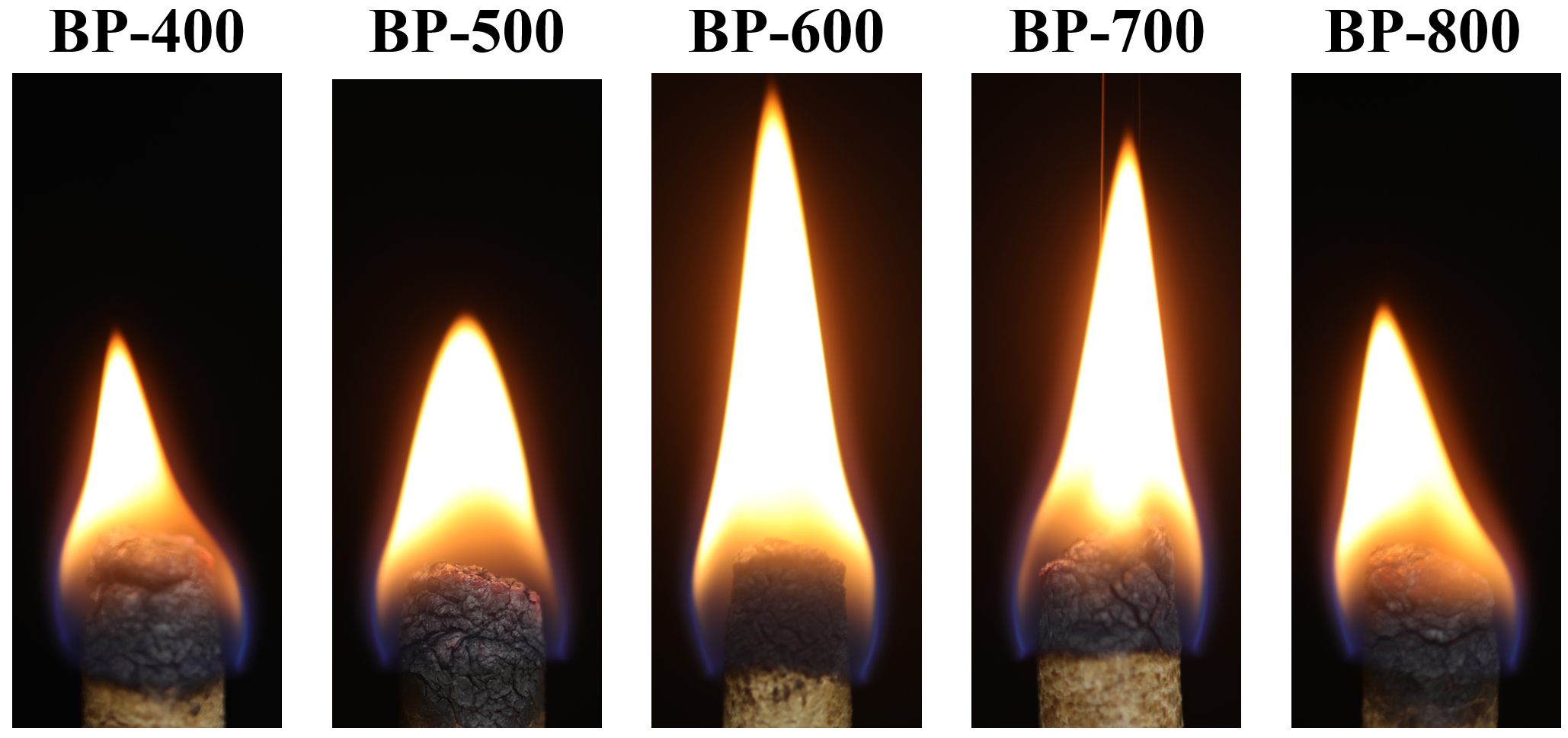
Figure 11. Flame images during combustion of BP pretreated at different microwave powers. Photograph taken by the authors. BP: Biomass pellets.
Figure 12 presents thermographic images of flames during combustion of BP pretreated at different microwave powers, which show the same trend. BP-600 showed the largest and most uniform high-temperature zone, whereas BP-400 and BP-500 showed limited hot regions near the pellet surface, and BP-700 and BP-800 showed irregular temperature distributions. Quantitatively [Table 4], flame length increased from 2.080 cm at 400 W to 4.173 cm at 600 W, then decreased to 2.411 cm at 800 W. Peak flame temperature followed a similar pattern, increasing from 583.0 °C at 400 W to 698.3 °C at 600 W, before decreasing to 661.2 °C at 700 W and 685.8 °C at 800 W. Compared with BP-400, BP-600 increased peak flame temperature by about 20%.
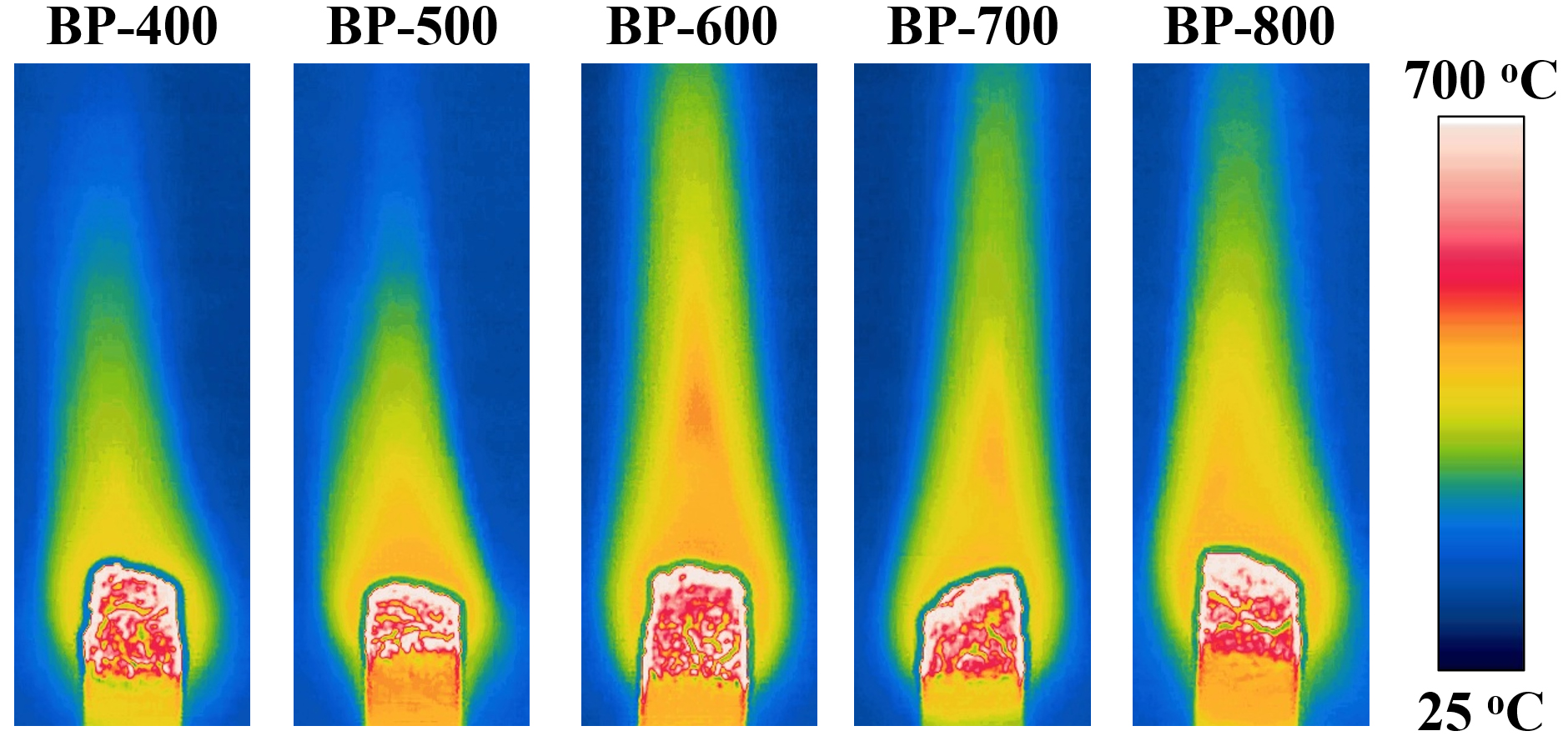
Figure 12.
Flame lengths and peak temperatures of BP at different microwave powers
| Code | Length (cm) | Peak temperature (°C) |
| BP-400 | 2.080 ± 0.059 | 583.0 ± 7.5 |
| BP-500 | 1.973 ± 0.253 | 597.2 ± 6.4 |
| BP-600 | 4.173 ± 0.219 | 698.3 ± 13.6 |
| BP-700 | 3.212 ± 0.097 | 661.2 ± 15.2 |
| BP-800 | 2.411 ± 0.218 | 685.8 ± 12.8 |
Figure 13 shows that moisture content decreased continuously with increasing microwave power, reflecting more effective drying. These findings are consistent with[42], which reported that increasing microwave power enhances the drying rate, whereas the highest drying efficiency may occur at relatively lower power levels. However, the specific energy consumption did not improve proportionally at higher microwave powers. Overall, 600 W provided the best balance between drying efficiency, combustion performance, and energy use. At powers above 600 W, further improvements in flame behavior were not observed; instead, excessive heating may have caused structural damage such as carbonization or cracking, which can reduce volatile release during combustion[20].
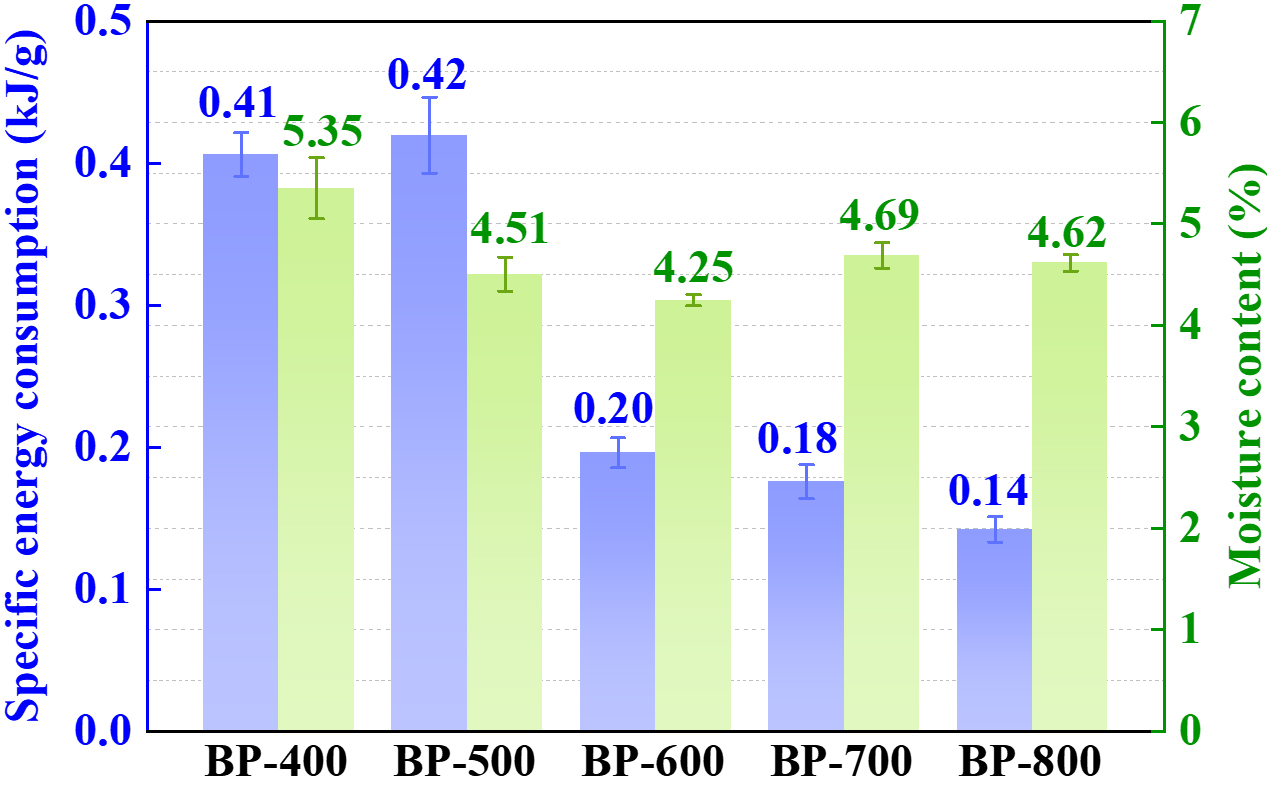
Figure 13. Specific energy consumption and moisture content of BP at different microwave powers. Error bars represent SD of three independent replicates. BP: Biomass pellets; SEM: scanning electron microscope.
Figure 14 presents the SEM images of BP at different microwave powers. Increasing microwave power led to more pronounced structural damage on the particle surface. The surfaces of BP-400 and BP-500 remained relatively smooth and compact overall, with only a few fine cracks and limited local exfoliation, indicating that moisture migration and structural reconstruction were still relatively limited at lower power levels. At 600 W, more pronounced cracks, lamellar delamination, and local pores appeared on the sample surface, and the surface roughness increased markedly, while the overall structure had not yet undergone severe collapse. This suggests that, at this power level, the dense structure could be disrupted more effectively, thereby forming pathways favorable for heat and mass transfer. When the microwave power was further increased to 700 and 800 W, the surface exhibited more obvious fragmentation, stacking, and structural discontinuity, with aggravated local spalling, indicating that excessively high power caused over-damage to the microstructure. Overall, with increasing microwave power, the pellet surface gradually evolved from a relatively dense structure to a rougher morphology with more cracks and localized porosity. Among the tested conditions, the microstructure obtained at 600 W appeared to be the most favorable for oxygen diffusion and volatile release during subsequent combustion.
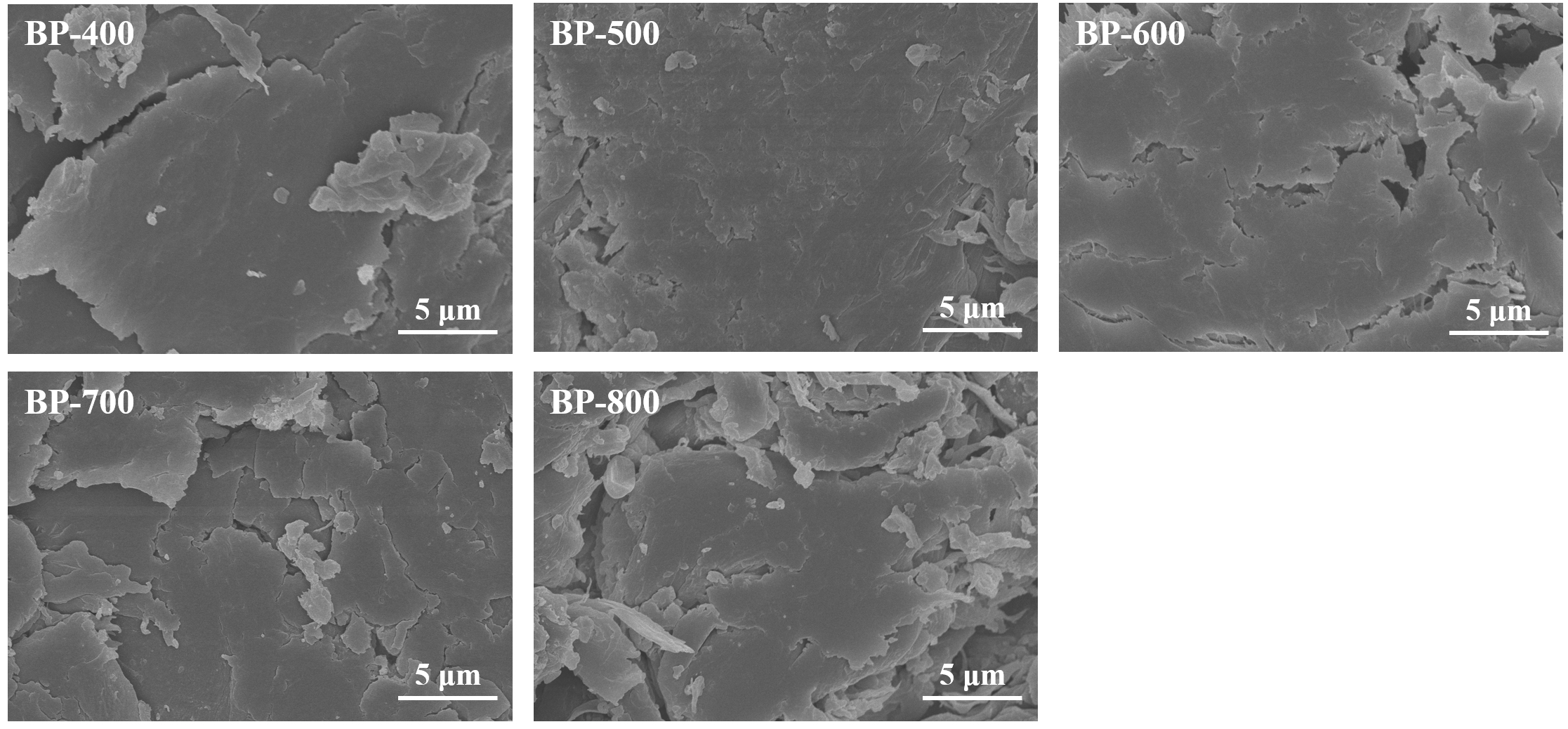
Figure 14. SEM images of pretreated BP at different microwave powers. BP: Biomass pellets; SEM: scanning electron microscope.
Mechanism of microwave improvement of BP combustion
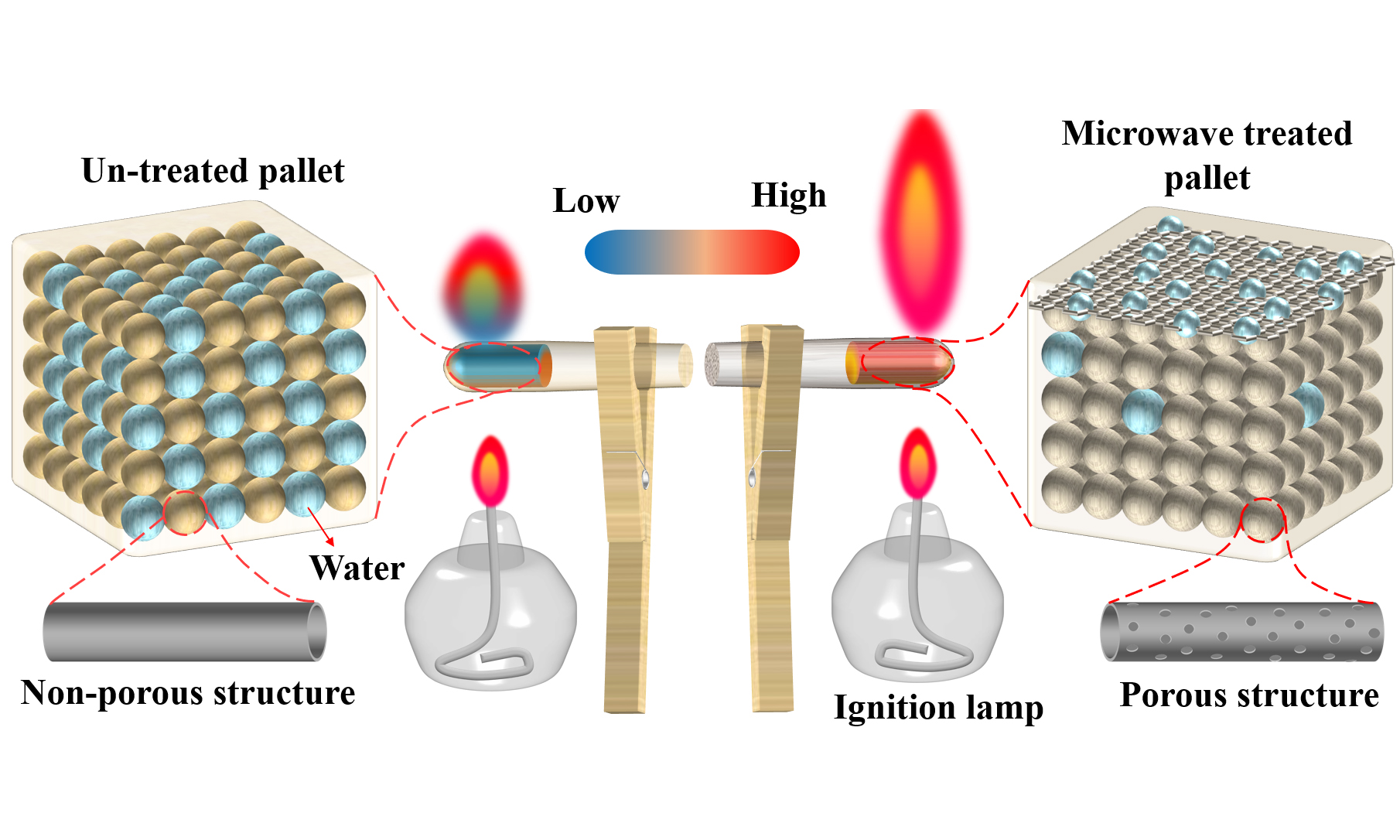
Microwave improves the combustion performance of BP primarily through the selective heating of internal moisture within the particles [Figure 15]. Under an alternating electromagnetic field, moisture molecules vibrate rapidly and generate heat through dielectric loss, leading to a rapid accumulation of heat inside the particles, whereas the biomass matrix itself heats up comparatively more slowly[43]. As a result, the internal moisture reaches its boiling point preferentially and diffuses outward rapidly. During this migration process, the original dense structure of the particles is disrupted, resulting in the formation of additional pores and cracks.
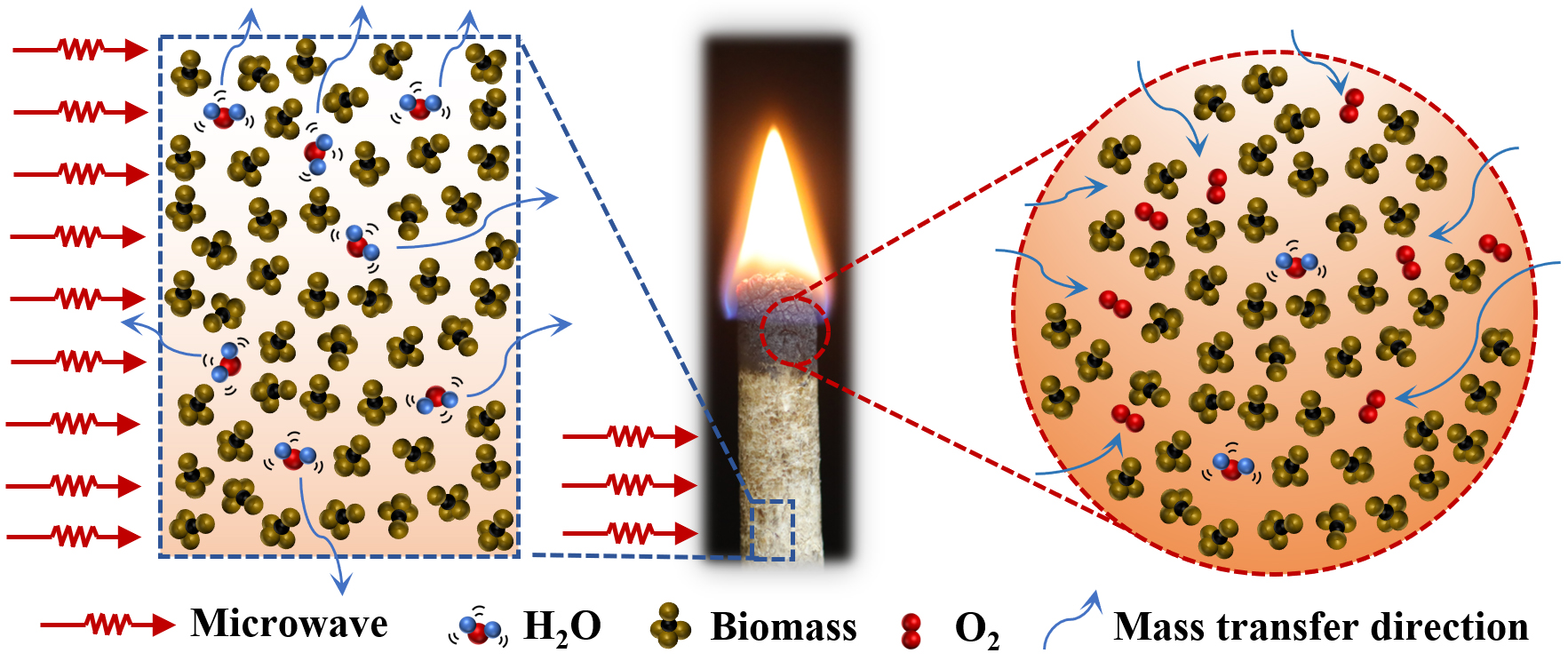
Figure 15. Schematic of the microwave pretreatment mechanism for enhanced BP combustion. BP: Biomass pellets.
These structural changes markedly promote the subsequent combustion process. On the one hand, the increased porosity facilitates oxygen penetration into the particle interior, thereby enhancing volatile combustion and char oxidation. On the other hand, microwave treatment reduces the moisture content of BP, thereby decreasing the heat consumption associated with moisture evaporation during the initial stage of combustion. Consequently, more thermal energy can be utilized for ignition and combustion, leading to higher flames, elevated temperatures, and more complete combustion. However, the enhancement effect of microwave treatment is effective only within an appropriate operating window. Excessively high treatment temperature, prolonged holding time, or excessive microwave power may cause premature loss of volatiles and surface carbonization, which can instead deteriorate the combustion performance.
CONCLUSIONS
This study experimentally shows that microwave pretreatment improves the combustion behavior of pine sawdust pellets. The optimal conditions were obtained at a temperature of 110 °C, a holding time of 6 min, and a microwave power of 600 W. Under these conditions, the pellets achieved a maximum flame length of 4.173 cm and a peak combustion temperature of 698.3 °C, respectively, showing improvements over untreated pellets due to effective moisture removal and favorable volatile retention. Conversely, excessive temperature, prolonged holding time, and high microwave power decreased flame intensity and stability while concurrently increasing specific energy consumption. The results of this study confirm that controlled microwave pretreatment provides a favorable balance between energy input and combustion enhancement, offering a practical reference for future applications.
DECLARATIONS
Authors’ contributions
Made substantial contributions to conception and design of the study and performed data analysis and interpretation: Xie, K.; Ahmad, F.; Zhang, Y.
Performed data acquisition and provided administrative, technical, and material support: Wang, Y.; Abdelrhman, F.
Availability of data and materials
The original contributions presented in this study are included in the article. Further inquiries can be directed to the corresponding author.
AI and AI-assisted tools Statement
Not applicable.
Financial support and sponsorship
This work was financially supported by Heilongjiang Province “Double First-class” Discipline Collaborative Innovation Achievement Project (LJGXCG2023-080), National Natural Science Foundation of China (52476005), Heilongjiang Provincial Key R&D Program (2023ZX02C05), and Heilongjiang Provincial Key R&D Program “Unveiling the Leader” Project (2023ZXJ02C04).
Conflicts of interest
Zhang, Y. is an Editorial Board Member of Advanced Energy Conversion, but was not involved in any aspects of the editorial process, particularly in reviewer selection, manuscript handling, or decision-making. The other authors declare that there are no conflicts of interest.
Ethical approval and consent to participate
Not applicable.
Consent for publication
Not applicable.
Copyright
© The Author(s) 2026.
REFERENCES
1. Bär, R.; Reinhard, J.; Ehrensperger, A.; Kiteme, B.; Mkunda, T.; Wymann Von Dach, S. The future of charcoal, firewood, and biogas in Kitui County and Kilimanjaro Region: Scenario development for policy support. Energy. Policy. 2021, 150, 112067.
2. Liu, Z.; Luo, W.; Zhang, M.; Zhao, W.; Mostafa, E.; Zhang, Y. Evaluating the potential environmental impact of biomass combustion methods using quantitative universal exergy method. Energ. Environ. Nexus. 2026, 2, e005.
3. Fagarazzi, C.; Miceli, A. New wood chips type for residential use: a pellet substitute for the European market. Renew. Energ. 2026, 261, 125267.
4. Bajwa, D. S.; Peterson, T.; Sharma, N.; Shojaeiarani, J.; Bajwa, S. G. A review of densified solid biomass for energy production. Renew. Sustain. Energ. Rev. 2018, 96, 296-305.
5. Mian, I.; Li, X.; Dacres, O. D.; et al. Combustion kinetics and mechanism of biomass pellet. Energy 2020, 205, 117909.
6. Kumar, B.; Mendoza-martinez, C.; Ferenczi, T.; Nagy, G.; Koós, T.; Szamosi, Z. An experimental study to investigate the impact of solar drying on emission products of woody biomass in the torrefaction process. Energ. Ecol. Environ. 2025, 10, 307-23.
7. Wang, Q.; Liu, K.; Wang, S. Effect of porosity on ignition and burning behavior of cellulose materials. Fuel 2022, 322, 124158.
8. Yan, Y.; Liu, C.; Sun, L.; et al. Biomass pellets prepared via low-temperature precarbonization: Biomass properties with flue gas treatment. J. Anal. Appl. Pyrolysis. 2025, 189, 107118.
9. Wang, S.; Guo, X.; Zhang, X.; Lu, H.; Liu, H. Experimental study on biomass reactive drying based on three major components: cellulose, hemicellulose, and lignin. Chem. Eng. J. 2025, 504, 158675.
10. Zhang, Y.; Zhao, W.; Xie, K.; Li, B. Studies on microwave heating performances of biomass. Energ. Conserv. Technol. 2026, 44, 3-7. Available from: https://link.cnki.net/urlid/23.1302.TK.20260319.1521.002 [accessed on 27 May 2026].
11. Hasan, M.; Baheerathan, B.; Sutradhar, S.; et al. Microwave-assisted synthesis of biomass-derived N-doped carbon dots for metal ion sensing. Carbon. Res. 2025, 4, 49.
12. Zhang, X.; Xu, H.; Xiang, W.; You, X.; Dai, H.; Gao, B. Lignin-impregnated biochar assisted with microwave irradiation for CO2 capture: adsorption performance and mechanism. Biochar 2024, 6, 22.
13. Ke, C.; Li, Y.; Dai, L.; et al. One-pot synthesis of hierarchical ZSM-5 for lifetime improvement in catalytic conversion of plastic waste. Sustain. Carbon. Mater. 2026, 2, e018.
14. Ren, J.; Jiang, J.; Wang, J.; Yuan, X.; Wang, A. Variable frequency microwave induced CO2 boudouard reaction over biochar. Biochar 2024, 6, 20.
15. Shen, L.; Wang, L.; Zheng, C.; et al. Continuous microwave drying of germinated brown rice: Effects of drying conditions on fissure and color, and modeling of moisture content and stress inside kernel. Drying. Technol. 2020, 39, 669-97.
16. Shen, L.; Zhu, Y.; Wang, L.; Liu, C.; Liu, C.; Zheng, X. Improvement of cooking quality of germinated brown rice attributed to the fissures caused by microwave drying. J. Food. Sci. Technol. 2019, 56, 2737-49.
17. Pedrotti, M. F.; Pereira, L. S.; Bizzi, C. A.; Paniz, J. N.; Barin, J. S.; Flores, E. M. Microwave-induced combustion: thermal and morphological aspects for understanding the mechanism of ignition process for analytical applications. Talanta 2017, 174, 64-71.
18. Hoang, A. T.; Nižetić, S.; Ong, H. C.; et al. Insight into the recent advances of microwave pretreatment technologies for the conversion of lignocellulosic biomass into sustainable biofuel. Chemosphere 2021, 281, 130878.
19. Ma, C.; Hu, J.; Wang, H.; Yu, Y.; Tan, C. Advances and challenges in biomass thermochemical conversion: From resource utilization to process optimization. Renew. Sustain. Energ. Rev. 2026, 226, 116385.
20. Liu, H.; E, J.; Ma, X.; Xie, C. Influence of microwave drying on the combustion characteristics of food waste. Drying. Technol. 2016, 34, 1397-405.
21. Arshanitsa, A.; Akishin, Y.; Zile, E.; Dizhbite, T.; Solodovnik, V.; Telysheva, G. Microwave treatment combined with conventional heating of plant biomass pellets in a rotated reactor as a high rate process for solid biofuel manufacture. Renew. Energ. 2016, 91, 386-96.
22. Chaves, D. H. D. S.; Avila, V. M.; Domingues, L. A. F.; Oliveira, M. M.; Birchal, V. S.; Charbel, A. L. T. Energy and exergy efficiencies analysis of microwave drying of orange pomace biomass. J. Therm. Anal. Calorim. 2023, 148, 13413-25.
23. Gao, H.; Bai, J.; Wei, Y.; et al. Effects of drying pretreatment on microwave pyrolysis characteristics of tobacco stems. Biomass. Conv. Bioref. 2022, 13, 11521-31.
24. Amer, M.; Nour, M.; Ahmed, M.; Ookawara, S.; Nada, S.; Elwardany, A. The effect of microwave drying pretreatment on dry torrefaction of agricultural biomasses. Bioresour. Technol. 2019, 286, 121400.
25. Valdmanis, R.; Zake, M. Selective microwave pretreatment of biomass mixtures for sustainable energy production. Energies 2025, 18, 3677.
26. Li, C.; Li, B.; Gao, G.; et al. Thermal pretreatment of poplar sawdust at 100 °C in water or with microwave heating impacts the pyrolysis behaviors. J. Ind. Eng. Chem. 2023, 125, 189-99.
27. Wang, N.; Liu, K.; Hou, Z.; Zhao, Z.; Li, H.; Gao, X. The comparative techno-economic and life cycle assessment for multi-product biorefinery based on microwave and conventional hydrothermal biomass pretreatment. J. Clean. Prod. 2024, 474, 143562.
28. Li, F.; Li, Y.; Lin, R.; Sun, D.; Zhang, H. A comparative thermodynamic assessment of microwave-assisted and conventional pyrolysis of biomass in poly-generation systems using coupled numerical and process simulations. Energ. Convers. Manage. 2024, 319, 118965.
29. Agu, O. S.; Mupondwa, E.; Tabil, L. G.; Emadi, B.; Li, X. Technoeconomic analysis of microwave torrefaction of biomass with microwave absorber and pelletization. Biomass. Bioenerg. 2026, 206, 108661.
30. Che, Y.; Yan, B.; Li, J.; et al. Microwave applied to the thermochemical conversion of biomass: a review. Renew. Sustain. Energ. Rev. 2025, 216, 115674.
31. Fan, X.; Bian, J.; Li, B.; Xi, Y.; Zi, W. Dielectric response and pyrolysis mechanisms during biomass microwave pyrolysis: intrinsic coupling among heat/mass transfer, microstructural evolution, and microwave energy conversion. Chem. Eng. J. 2026, 527, 171890.
32. Potnuri, R.; Rao, C. S.; Lenka, M.; Sridevi, V.; Basak, T. Microwave-assisted torrefaction of lignocellulosic biomass: a critical review of its role in sustainable energy. Biomass. Bioenerg. 2025, 197, 107777.
33. Lai, Y.; Liu, X.; Davies, M.; et al. Characterisation of wood combustion and emission under varying moisture contents using multiple imaging techniques. Fuel 2024, 373, 132397.
34. Wang, X.; Ma, T.; Sun, J.; et al. Effects of pelletizing pressure and particle size on flame characteristics and potassium release in volatile combustion of biomass pellets. Biomass. Bioenerg. 2025, 199, 107916.
35. Bi̇lgi̇n, S.; Yilmaz, H.; Karayel, D.; Çanakcı, M.; Topakcı, M. Combustion performance and emission characteristics of agricultural residue pellets as alternatives to wood pellets. Energ. Source. Part. A. 2026, 48, 2649946.
36. Holtmeyer, M. L.; Li, G.; Kumfer, B. M.; Li, S.; Axelbaum, R. L. The impact of biomass cofiring on volatile flame length. Energ. Fuel. 2013, 27, 7762-71.
37. Prashanth, P. F.; Gurrala, L.; Mohan, R. V.; Sarvanakumar, K.; Vinu, R. Microwave‐assisted torrefaction and pyrolysis of rice straw pellets for bioenergy. IET. Renewable. Power. Gen. 2022, 16, 2964-77.
38. Goldšteins, L.; Valdmanis, R.; Zaķe, M.; Arshanitsa, A.; Andersone, A. Thermal decomposition and combustion of microwave pre-treated biomass pellets. Processes 2021, 9, 492.
39. Zhang, Y.; Zhang, Y.; Deng, J.; Li, Y.; Shi, X.; Ren, X. Study on the microstructural evolution and spontaneous combustion thermal reaction of coal under photo-thermal synergism. Process. Saf. Environ. Prot. 2025, 196, 106929.
40. Barmina, I.; Goldsteins, L.; Valdmanis, R.; Zake, M. Improvement of biomass gasification/combustion characteristics by microwave pretreatment of biomass pellets. Chem. Eng. Technol. 2021, 44, 2018-25.
41. Feng, L.; Dong, M.; Peng, S.; Wu, M. Non-pyrolysis microwave heating as coal pretreatment for in-situ combustion: reactivity and microstructure. Energ. Source. Part. A. 2023, 45, 2228-39.
42. Fennell, L. P.; Boldor, D. Continuous microwave drying of sweet sorghum bagasse biomass. Biomass. Bioenerg. 2014, 70, 542-52.
Cite This Article
 Open Access
How to Cite
Download Citation
Export Citation File:
Type of Import
Tips on Downloading Citation
Citation Manager File Format
Type of Import
Direct Import: When the Direct Import option is selected (the default state), a dialogue box will give you the option to Save or Open the downloaded citation data. Choosing Open will either launch your citation manager or give you a choice of applications with which to use the metadata. The Save option saves the file locally for later use.
Indirect Import: When the Indirect Import option is selected, the metadata is displayed and may be copied and pasted as needed.
About This Article
Copyright

Data & Comments
Data
0





Comments
Comments must be written in English. Spam, offensive content, impersonation, and private information will not be permitted. If any comment is reported and identified as inappropriate content by OAE staff, the comment will be removed without notice. If you have any queries or need any help, please contact us at [email protected].